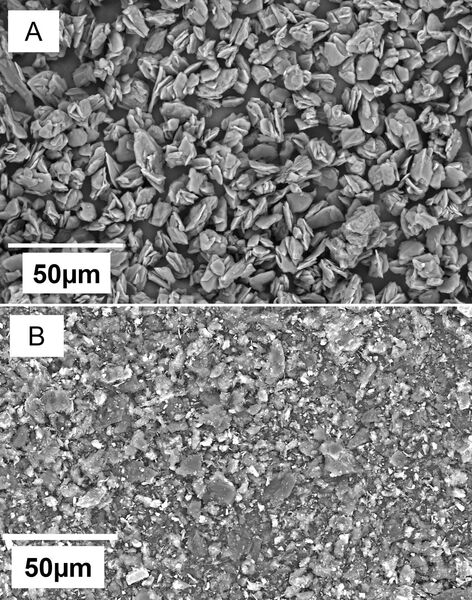
The authors looked at the ability to use graphite from pencils in anodes of lithium-anode batteries.
Read More...Incorporating graphite from pencils as a component of lithium-ion batteries
The authors looked at the ability to use graphite from pencils in anodes of lithium-anode batteries.
Read More...The effects of varied N-acetylcysteine concentration and electronegativity on bovine mucus hydrolysis
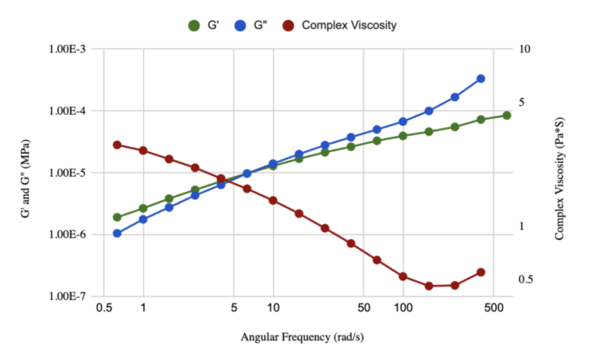
The authors evaluated the effect of concentration and variant of N-Acetylcysteine in hydrolyzing mucus.
Read More...Lung cancer AI-based diagnosis through multi-modal integration of clinical and imaging data
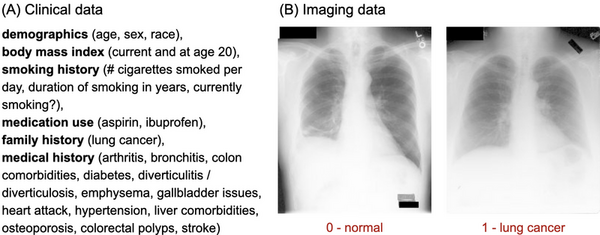
Lung cancer is highly fatal, largely due to late diagnoses, but early detection can greatly improve survival. This study developed three models to enhance early diagnosis: an MLP for clinical data, a CNN for imaging data, and a hybrid model combining both.
Read More...Relationship between p62 and learning behavior in male and female mice deficient in hippocampal folliculin
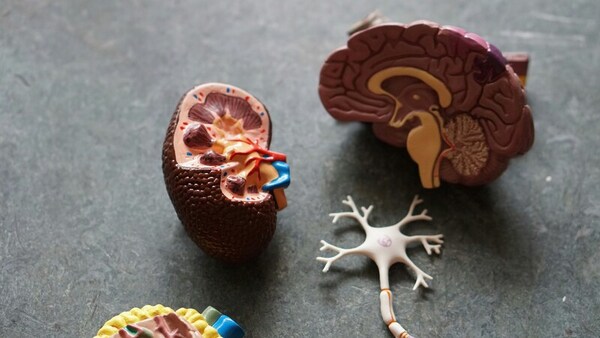
Here the authors hypothesized that reducing folliculin (FLCN) might affect p62 protein levels in the dorsal hippocampus of mice, given their potential functional connection and p62's role in neurodegenerative diseases. Their study, using western blots and a two-way ANOVA on young wild-type mice, found that p62 levels correlated with FLCN expression, but ultimately concluded there's no evidence of a functional connection between FLCN and p62 in this specific model.
Read More...Exploring Political Discourse Among High School Journalists with Web Scraping and AI Technology

Here the authors provided greater coverage of adolescent stances by investigating the political perspectives and trends of high school journalists, utilizing web scraping methods and artificial intelligence (ChatGPT-4o) to analyze over 153,000 articles. They found that high school publications exhibit lower levels of political polarization compared to mainstream media and that journalists' views, while tending to lean moderately liberal, showed no significant correlation with local voting patterns.
Read More...Yeast catalysis of hydrogen peroxide as an enhanced chemical treatment method for harvested rainwater
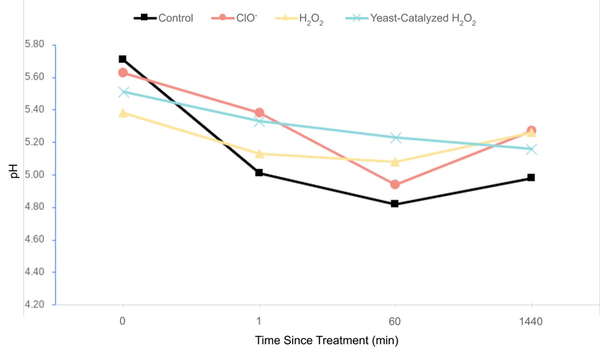
The authors looked at different treatments to clean up rainwater collected at home. They found that chlorine treatment and treatment with hydrogen peroxide catalyzed by yeast showed similar potential for cleaning up contaminated rainwater, but that further studies are needed to better assess impact on specific contaminant levels still present.
Read More...Training neural networks on text data to model human emotional understanding
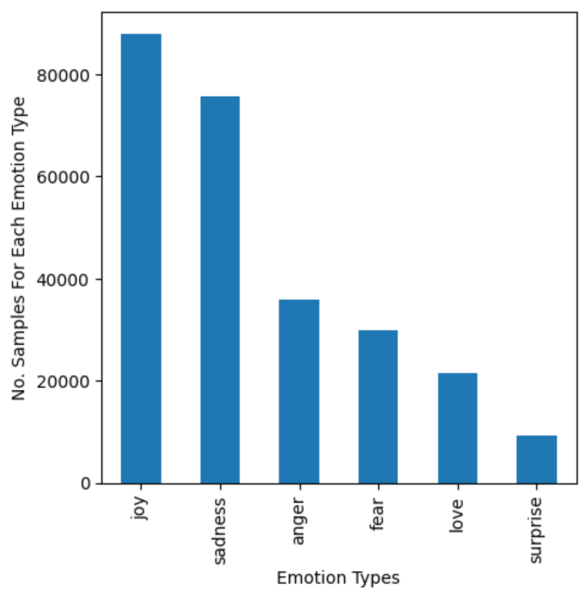
The authors train a neural network to detect text-based emotions including joy, sadness, anger, fear, love, and surprise.
Read More...A low-cost method for purification of agricultural wastewater based on S. platensis
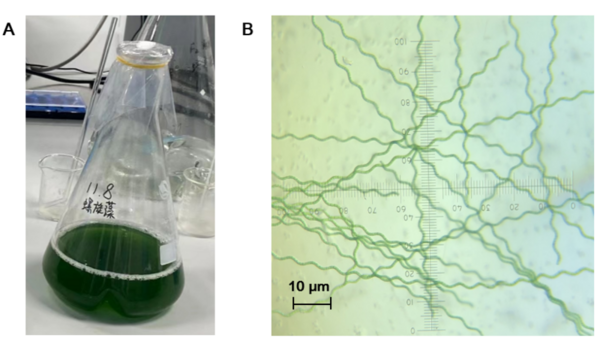
The authors looked at the ability of Spirulina platensis to reduce contaminants in wastewater in order to develop a more accessible treatment option. They found that S platensis did reduce the concentration of pollutants present within simulated agricultural wastewater.
Read More...Enhanced brain arteries and aneurysms analysis using a CAE-CFD approach
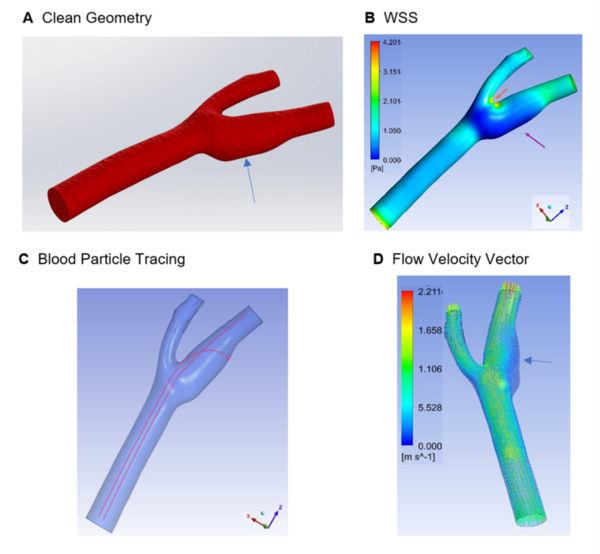
Here, recognizing that brain aneurysms pose a severe threat, often misdiagnosed and leading to high mortality, particularly in younger individuals, the authors explored a novel computer-aided engineering approach. They used magnetic resonance angiography images and computational fluid dynamics, to improve aneurysm detection and risk assessment, aiming for more personalized treatment.
Read More...Changing the surface properties of the backside of a silicon wafer to repel oil and prevent particle binding
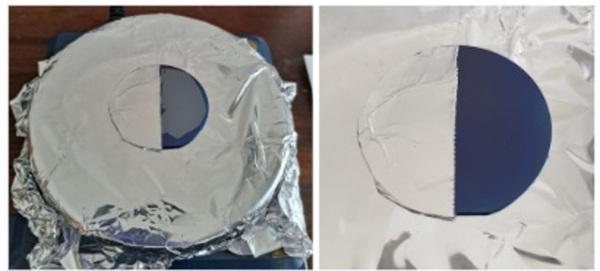
Wafers, essential in microchip production, can develop issues like leveling problems and wafer slip due to the formation of silanol bonds on their backside, which attract silica particles and oil. Authors tested addressing this issue with a coating of [acetoxy(polyethyleneoxy)propyl]triethoxysilane (APTS) applied to the wafer’s backside, preventing particle binding and oil adherence.
Read More...