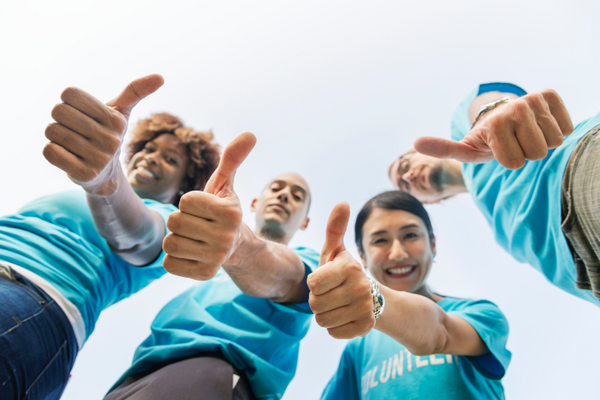
Because humans live in societies, they may feel social pressure to conform to majority opinions. This follow-up study explores whether teenagers are likely to change their opinions to match others’, particularly in ambiguous situations.
Read More...Majority and Minority Influence in Teenagers for Different Social Dilemmas
Because humans live in societies, they may feel social pressure to conform to majority opinions. This follow-up study explores whether teenagers are likely to change their opinions to match others’, particularly in ambiguous situations.
Read More...Are Age and Sex Related to Emotion Recognition Ability in Children and Teenagers?
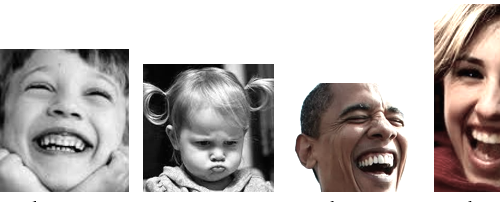
Humans have a natural ability to recognize emotional cues from the facial expressions of others, as a crucial evolutionary trait to navigate social interactions. This ability likely develops through normal development and social experience, but it is unclear how much influence age and sex have in emotional facial recognition (EFR). In this study, the authors investigate EFR in children and teenagers, and look at whether accurate emotional recognition does occur more in males or females.
Read More...Determination of Optimal Relevant Joint Angles for Vertical Jump Height Across Teenagers with Differing Amounts of Jumping Experience
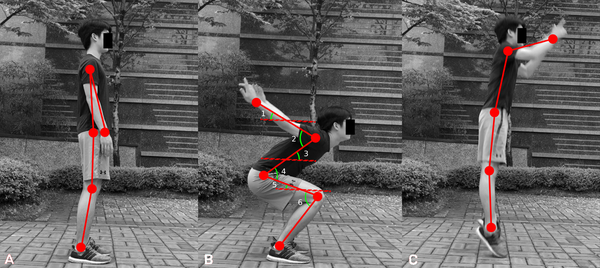
Reaching one’s maximum jump height requires optimizing one’s jump techniques. In order to find this optimal jump technique, three high school participants with varying vertical jump (VJ) abilities recorded videos of themselves with varying degrees of maximum/minimum shoulder, knee, and hip angles—with or without respect to the horizontal—at the isometric phase of a regular countermovement (CM) VJ or countermovement jump (CMJ). Results showed that the shoulder angle without respect to the horizontal (SA), knee angle with respect to the horizontal (KAH), and the hip angle with respect to the horizontal (HAH) possessed a more consistent correlation with VJ height across the subjects compared to the same respective angles with opposite relations to the horizontal.
Read More...Caffeine: Does Drinking Coffee Alter Performance and RPE Levels of a Teenage Athlete in both Aerobic and Anaerobic Exercises?
Caffeine is widely consumed across the globe and is most appreciated for its effects as a stimulant. Here the authors investigate whether caffeine consumption affects performance during endurance or strength training. Their results suggest that caffeine consumption enhances endurance training, but not strength training.
Read More...Physical Appearance and Its Effect on Trust
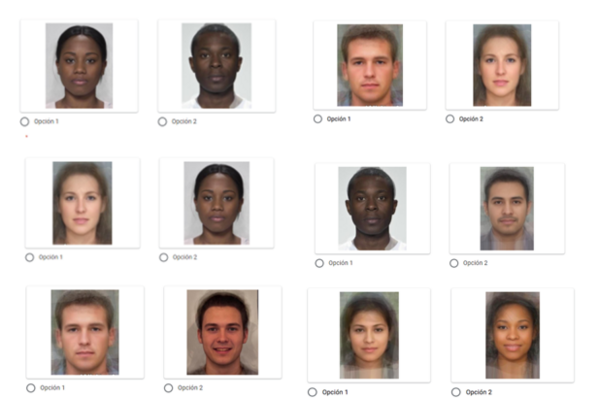
Do different physical traits affect teenagers’ initial trust of an unknown person? Would they give greater trust to women and people of similar ethnicity? To test these hypotheses, the authors developed a survey to determine the sets of physical characteristics that affect a person's trustworthiness. They found that gender and expression were the main physical traits associated with how trustworthy an individual looks, while ethnicity was also important.
Read More...The impact of environmental noise on the cognitive functions and mental workload of high school students
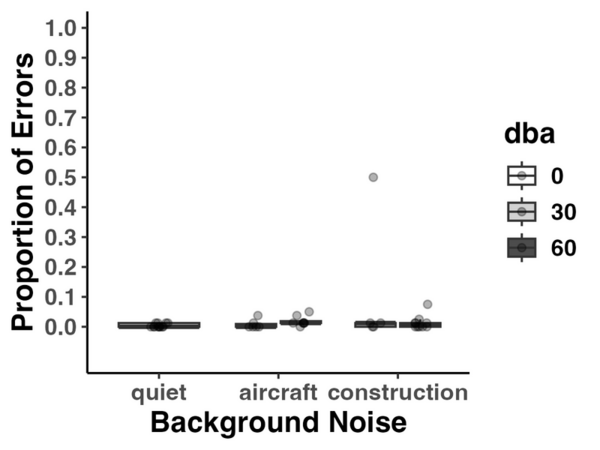
Authors examine the impact of environmental noise on cognitive processes in teenagers, focusing on five different noise conditions: two types of noise (aircraft and construction) at two different decibel levels (30 dBA and 60 dBA) and a quiet condition.
Read More...Estimating the Young’s Modulus of spaghetti with a buckling experiment
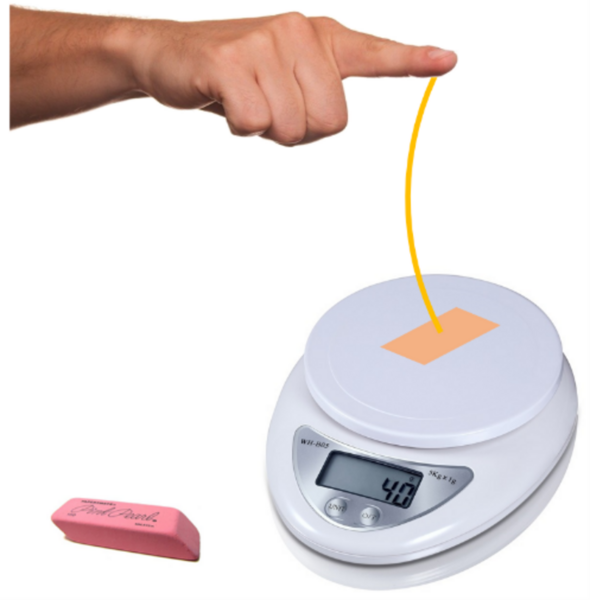
The Young's Modulus of a structural material is a measure of its elasticity and is defined as the ratio of the tensile stress to tensile strain. This study aims to investigate the Young's Modulus of pasta with different diameters.
Read More...Blue light blocking glasses: do they do what they promise?
With increased screen time and exposure to blue light, an increasing number of people have sleep deprivation. Blue light suppresses the release of melatonin and hinders sleep at night. We hypothesized that people could get a greater amount of sleep by controlling the blue light exposure from screen time before bedtime. BBG’s effect on reducing time to fall asleep was significant within the teenage group, but not significant in the adult group. This indicated that BBG could improve the time taken to sleep for young teenagers post screen time in the evening.
Read More...Homology modeling of clinically-relevant rilpivirine-resistant HIV-RT variants identifies novel rilpivirine analogs with retained binding affinity against NNRTI-resistant HIV mutations
Human immunodeficiency virus (HIV), which affects tens of millions of individuals worldwide, can lead to acquired immunodeficiency syndrome (AIDS). While there is currently no cure for HIV, the development of small molecule antiretroviral agents has greatly improved the prognosis of infected individuals, especially in developed countries. Here, the authors employ homology modeling and molecular docking towards the identification of novel rilpivirine analogs that retain high binding affinity to clinically relevant rilpivirine-resistant mutations of the HIV reverse transcriptase enzyme.
Read More...Can Green Tea Alleviate the Effects of Stress Related to Learning and Long-Term Memory in the Great Pond Snail (Lymnaea stagnalis)?
Stress and anxiety have become more prevalent issues in recent years with teenagers especially at risk. Recent studies show that experiencing stress while learning can impair brain-cell communication thus negatively impacting learning. Green tea is believed to have the opposite effect, aiding in learning and memory retention. In this study, the authors used Lymnaea stagnalis , a pond snail, to explore the relationship between green tea and a stressor that impairs memory formation to determine the effects of both green tea and stress on the snails’ ability to learn, form, and retain memories. Using a conditioned taste aversion (CTA) assay, where snails are exposed to a sweet substance followed by a bitter taste with the number of biting responses being recorded, the authors found that stress was shown to be harmful to snail learning and memory for short-term, intermediate, and long-term memory.
Read More...