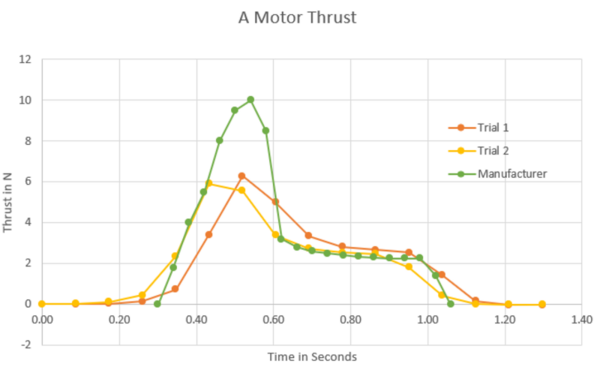
In this paper, Thomas et al. introduce a new, affordable way to study characteristics of rocket motors using small-scale rocket motors.
Read More...Experimental characterization of thrust for ≤ 20 N-s impulse solid rocket motors
In this paper, Thomas et al. introduce a new, affordable way to study characteristics of rocket motors using small-scale rocket motors.
Read More...Predictions of neural control deficits in elders with subjective memory complaints and Alzheimer’s disease
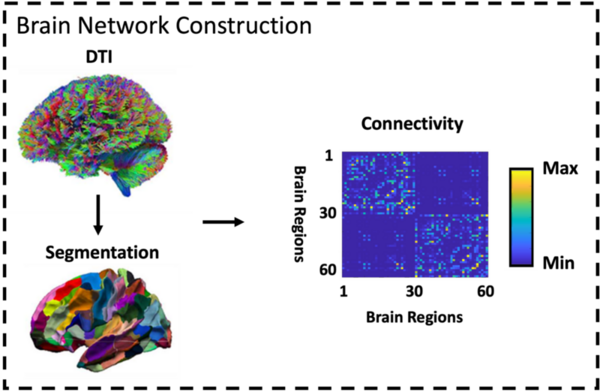
The authors compare neuroimaging datasets to identify potential new biomarkers for earlier detection of Alzheimer's disease.
Read More...Evaluating the feasibility of SMILES-based autoencoders for drug discovery
The authors investigate the ability of machine learning models to developing new drug-like molecules by learning desired chemical properties versus simply generating molecules that similar to those in the training set.
Read More...Creating a Phenology Trail Around Central Park Pond
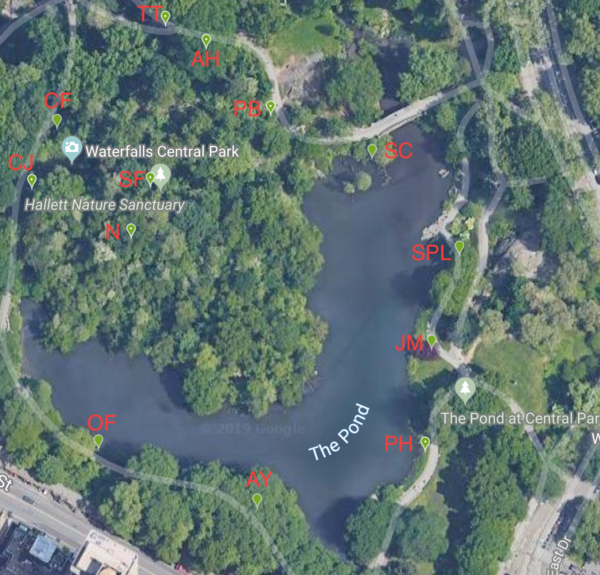
This study aimed to determine whether the life cycle stages, or phenophases, of some plants in the urban environment of Central Park, New York, differ from the typical phenophases of the same plant species. The authors hypothesized that the phenophases of the thirteen plants we studied would differ from their typical phenophases due to the urban heat island effect. Although the phenophases of five plants matched up with typical trends, there were distinct changes in the phenophases of the other eight, possibly resulting from the urban heat island effect.
Read More...Assessing Spanish interpretation in community healthcare: a study of patient satisfaction
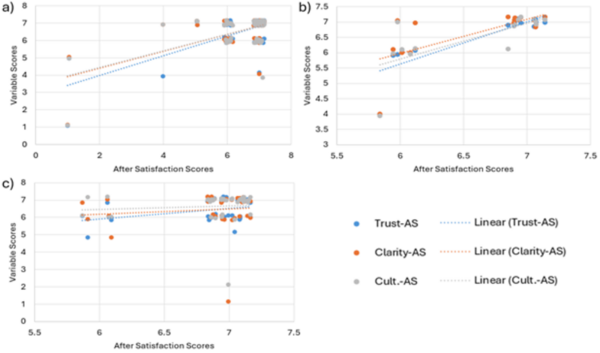
This manuscript explores the use of Spanish language translators in an outpatient clinic in New Jersey. The authors surveyed patients before and after in person, video, and telephone appointments to determine which modality was most acceptable to the patients. The authors found that the three modalities did not differ in patient satisfaction, but that patients were grateful for translations services and that patient trust may be expanded by the use of these services and by focuses of translator soft skills.
Read More...Predicting baseball pitcher efficacy using physical pitch characteristics

Here, the authors sought to develop a new metric to evaluate the efficacy of baseball pitchers using machine learning models. They found that the frequency of balls, was the most predictive feature for their walks/hits allowed per inning (WHIP) metric. While their machine learning models did not identify a defining trait, such as high velocity, spin rate, or types of pitches, they found that consistently pitching within the strike zone resulted in significantly lower WHIPs.
Read More...Combinatorial treatment by siNOTCH and retinoic acid decreases A172 brain cancer cell growth

Treatments inhibiting Notch signaling pathways have been explored by researchers as a new approach for the treatment of glioblastoma tumors, which is a fast-growing and aggressive brain tumor. Recently, retinoic acid (RA) therapy, which inhibits Notch signaling, has shown a promising effect on inhibiting glioblastoma progression. RA, which is a metabolite of vitamin A, is very important in embryonic cellular development, which includes the regulation of multiple developmental processes, such as brain neurogenesis. However, high doses of RA treatment caused many side effects such as headaches, nausea, redness around the injection site, or allergic reactions. Therefore, we hypothesized that a combination treatment of RA and siRNA targeting NOTCH1 (siNOTCH1), the essential gene that activates Notch signaling, would effectively inhibit brain cancer cell proliferation. The aim of the study was to determine whether inhibiting NOTCH1 would inhibit the growth of brain cancer cells by cell viability assay. We found that the combination treatment of siNOTCH1 and RA in low concentration effectively decreased the NOTCH1 expression level compared to the individual treatments. However, the combination treatment condition significantly decreased the number of live brain cancer cells only at a low concentration of RA. We anticipate that this novel combination treatment can provide a solution to the side effects of chemotherapy.
Read More...Myrtaceaes as antimicrobial agents against Staphylococcus aureus and Pseudomonas aeruginosa
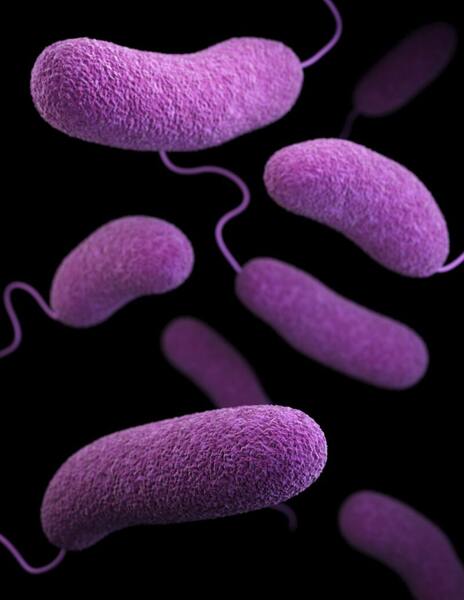
In this study, the authors test new antimicrobials by measuring the ability of extracts from Australian-native Myrtaceae species to induce death of two bacteria S. aureus and P. aeruginosa.
Read More...Discovery of novel targets for diffuse large B-cell lymphoma
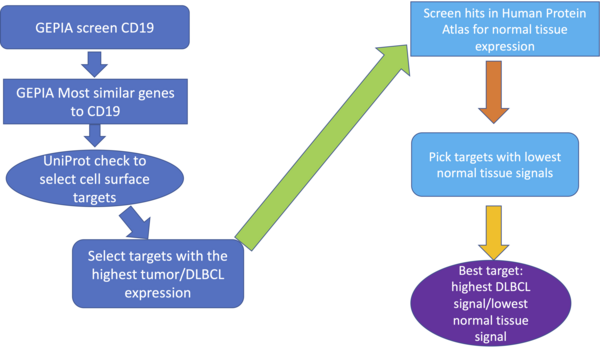
In this study, the authors identify new potential targets to treat advanced diffuse large B-cell lymphoma after treatment relapse and loss of CD19 expression.
Read More...One-step photochemical crosslinking of native proteins is feasible in tyrosine-rich bovine serum albumin
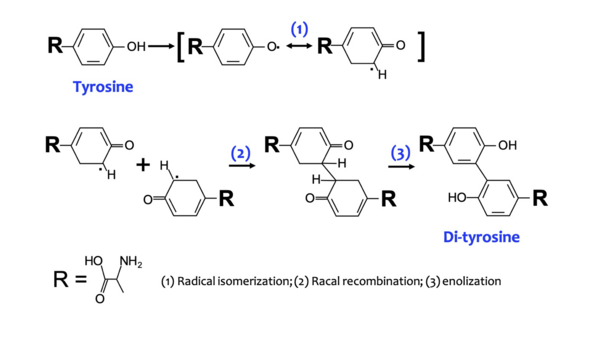
In this study, the authors develop a new hydrogel using photochemical crosslinking with bovine serum albumin and methylene blue. They find that this new hydrogel has some useful applications!
Read More...