Browse Articles

Evaluation of Microplastics in Japanese Fish Using Visual and Chemical Dissections

Srebnik et al. | Jan 20, 2021

Evaluation of Microplastics in Japanese Fish Using Visual and Chemical Dissections

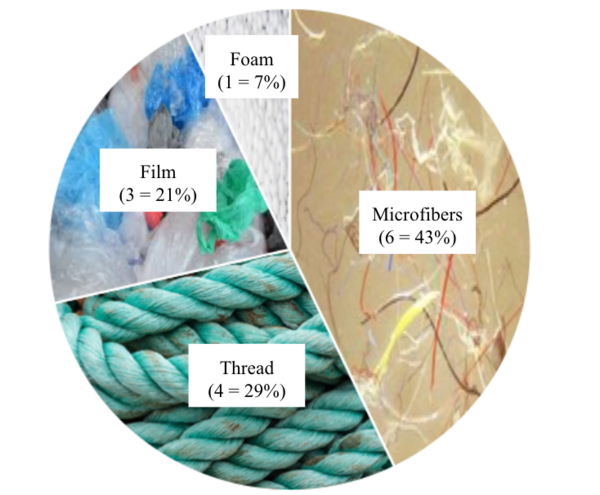
Does the overuse of plastic in Japan poses an ecological risk to marine species and their consumers? Using visual and chemical dissection, all fish in this study were found to have microplastics present in their gastrointestinal tract, including two species that are typically eaten whole in Japan. Overall, these results are concerning as previous studies have found that microplastics can carry persistent organic pollutants. It is presumed that the increasing consumption of microplastics will have negative implications on organ systems such as the liver, gut, and hormones.

Read More...

Heavy Metal Contamination of Hand-Pressed Well Water in HuNan, China

Long et al. | Oct 20, 2019

Heavy Metal Contamination of Hand-Pressed Well Water in HuNan, China

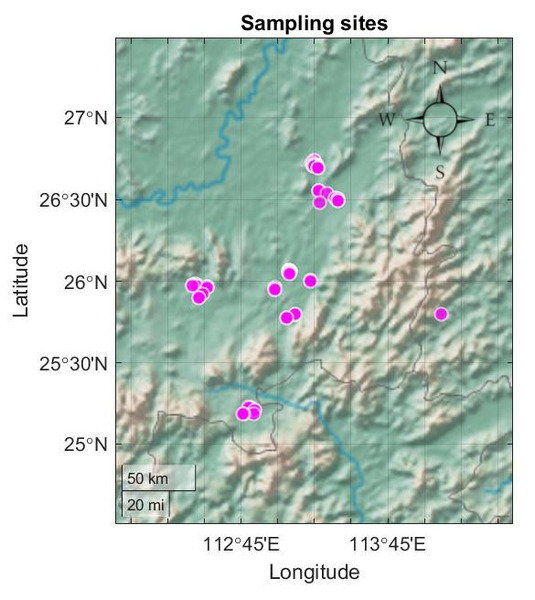
Unprocessed water from hand-pressed wells is still commonly used as a source of drinking water in Chenzhou, the “Nonferrous Metal Village” of China. Long et al. conducted a study to measure the heavy metal contamination levels and potential health effects in this area. Water samples were analyzed through Inductively Coupled Plasma Optical Emission Spectroscopy (ICPOES) and the concentrations of 20 metal elements. Results showed that although none of the samples had dangerous levels of heavy metals, the concentrations of Al, Fe, and Mn in many locations substantially exceeded those suggested in the Chinese Drinking Water Standard and the maximum contaminant levels of Environmental Protection Agency (EPA). The authors have made an important discovery regarding the water safety in HuNan and their suggestions to install water treatment systems would greatly benefit the community.

Read More...

A Simple Printing Solution to Aid Deficit Reduction

Mirchandani et al. | Mar 09, 2014

A Simple Printing Solution to Aid Deficit Reduction

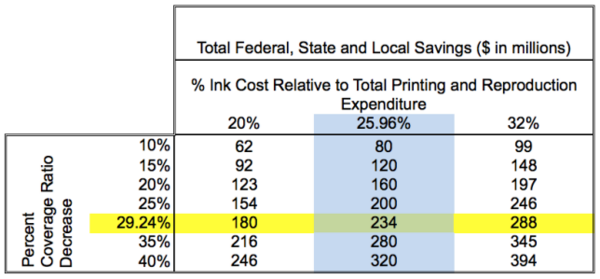
The printing-related expenditure that is budgeted in 2014 for U.S. Federal agencies is $1.8 billion. A sample of five publically available documents produced by various federal agencies is analyzed and the cost savings arising from a change in font type are estimated. The analysis predicts that the Government’s annual savings by switching to Garamond are likely to be about $234 million with worst-case savings of $62 million and best-case savings of $394 million. Indirect benefits arising from a less detrimental impact on the environment due to lower ink production and disposal volumes are not included in these estimates. Times New Roman is not as efficient as Garamond, and the third federally-recommended font, Century Gothic, is actually worse on average than the fonts used in the sample documents.

Read More...