Browse Articles

Pressing filtration for extraction of cabbage dietary fiber and soluble components

Xie et al. | Nov 16, 2025

Pressing filtration for extraction of cabbage dietary fiber and soluble components
Image credit: Shelley Pauls

Here the authors introduce pressing filtration as a novel, efficient, and low-energy method for extracting dietary fiber from cabbage, which successfully retains heat-sensitive nutrients and achieves a high fiber yield. The study demonstrates the scalability and economic viability of this technique for commercial use, highlighting that the resulting high-fiber cabbage powder can be incorporated into familiar foods like hamburger buns and beef patties without compromising taste or sensory quality.

Read More...

Examining the correlation between Massa Medicata Fermentata and Crohn’s disease: Implications for treatment and patient safety

Wang et al. | Sep 15, 2025

Examining the correlation between Massa Medicata Fermentata and Crohn’s disease: Implications for treatment and patient safety

Crohn’s disease is a chronic inflammatory bowel condition with symptoms like abdominal pain, fatigue, diarrhea, and malnutrition. Though there's no cure, various treatments help manage it. This study explored the potential impact of Massa Medicata Fermentata (MMF), a fermented Chinese herbal medicine containing Saccharomyces cerevisiae, on Crohn’s disease.

Read More...

Relationship between p62 and learning behavior in male and female mice deficient in hippocampal folliculin

Guvenir et al. | Jun 10, 2025

Relationship between p62 and learning behavior in male and female mice deficient in hippocampal folliculin
Image credit: Robina Weermeijer

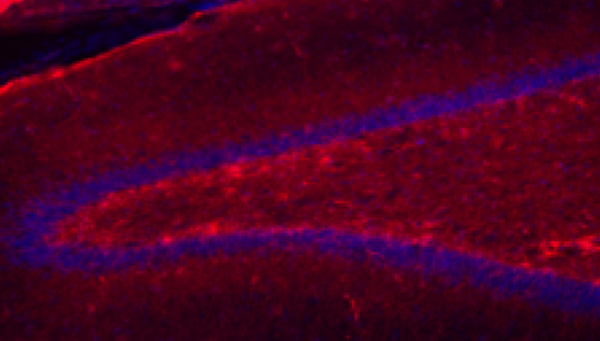
Here the authors hypothesized that reducing folliculin (FLCN) might affect p62 protein levels in the dorsal hippocampus of mice, given their potential functional connection and p62's role in neurodegenerative diseases. Their study, using western blots and a two-way ANOVA on young wild-type mice, found that p62 levels correlated with FLCN expression, but ultimately concluded there's no evidence of a functional connection between FLCN and p62 in this specific model.

Read More...