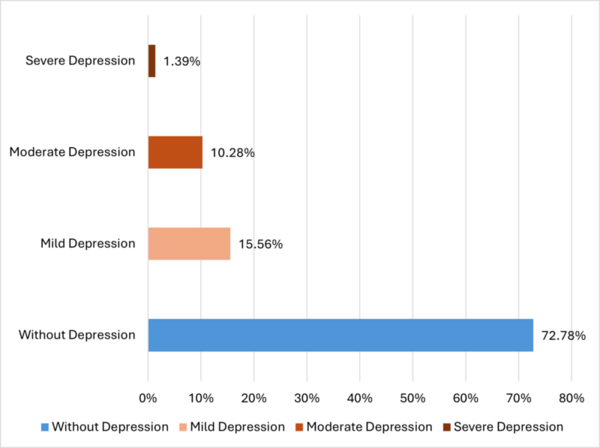
The authors surveyed individuals diagnosed with coronary artery disease about their mental health to study a potential connection between coronary artery disease and depression.
Read More...Examining the prevalence of depression in coronary artery disease patients: a cross-sectional analysis
The authors surveyed individuals diagnosed with coronary artery disease about their mental health to study a potential connection between coronary artery disease and depression.
Read More...Investigating the impact of the COVID-19 pandemic on the cognitive dissonance of adolescents
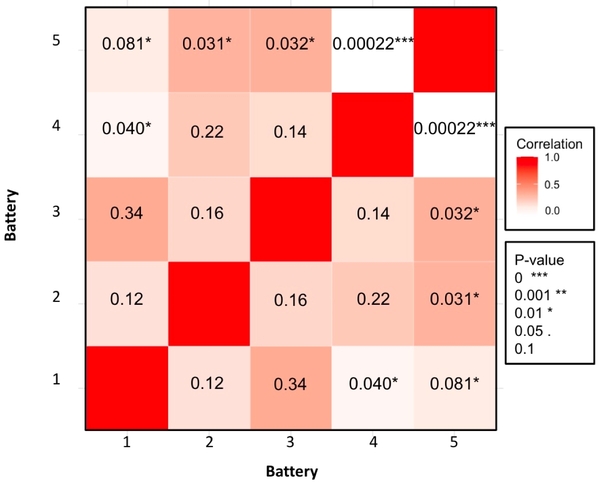
The authors survey adolescents about aspects of the COVID-19 pandemic to explore perspectives that may give rise to cognitive dissonance.
Read More...Unveiling the wound healing potential of umbilical cord derived conditioned medium: an in vitro study
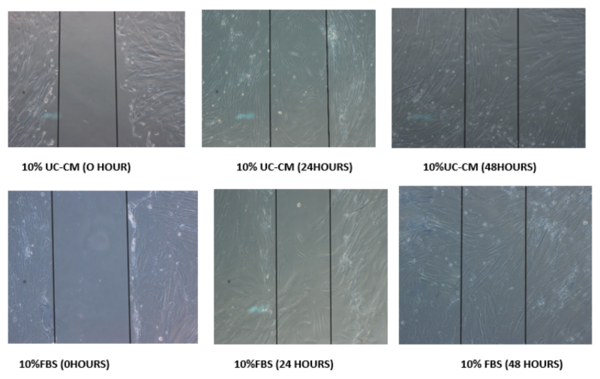
Chronic wounds pose a serious threat to an individual’s health and quality of life. However, due to the severity and morbidity of such wounds, many pre-existing treatments are inefficient or costly. While the use of skin grafts and other such biological constructs in chronic wound healing has already been characterized, the use of umbilical cord tissue has only recently garnered interest, despite the cytokine-rich composition of Wharton’s jelly (cord component). Our current study aimed to characterize the use of an umbilical cord derived conditioned medium (UC-CM) to treat chronic wounds.
Read More...Analysis of Milorganite’s ability to sustain growth of Ocimum basilicum in simulated Martian soil
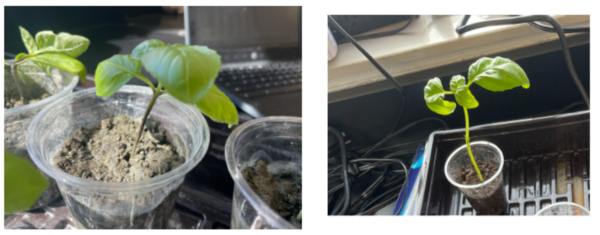
The authors test whether basil can grow in a simulated Martian soil improved with a waste-based fertilizer called Milorganite.
Read More...A colorimetric investigation of copper(II) solutions
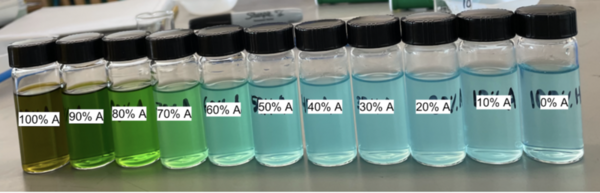
In this study, the authors investigate the effects of acetone on the color of copper chloride (CuCl2) solution, which has important implications for detecting copper in the environment.
Read More...Testing antimicrobial properties of common household spices in a real-world scenario
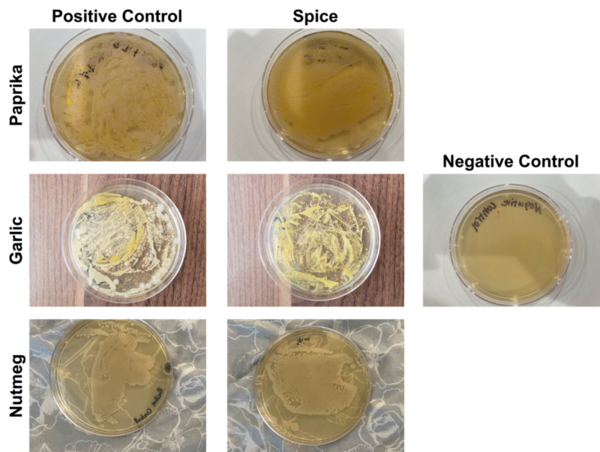
In this article the authors look at the ability of spices to reduce microbial load on a cutting surface by comparing growth of bacteria cultured before and after cleaning with various spice mixtures.
Read More...Analyzing resilience in a sample population as a novel qualifier for triage in psychological first aid

While serving as an immediate address for psychological safety and stability, psychological first aid (PFA) currently lacks the incorporation of triage. Without triage, patients cannot be prioritized in correspondence to condition severity that is often called for within emergency conditions. To disentangle the relevance of a potential triage system to PFA, the authors of this paper have developed a method to quantify resilience - a prominent predictor of the capability to recover from a disaster. With this resilience index, they have quantified resilience of differing age, race, and sex demographics to better inform the practice of PFA and potential demographic prioritization via a triage system.
Read More...Deciphering correlation and causation in risk factors for heart disease with Mendelian randomization
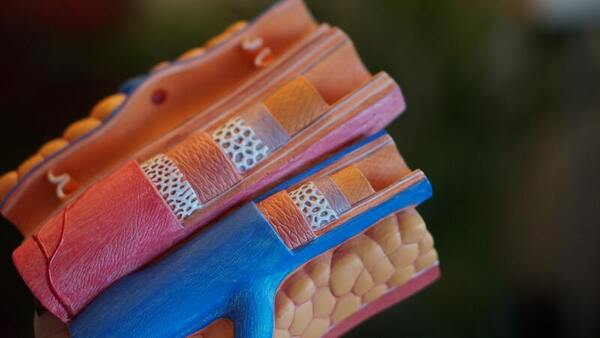
Here, seeking to identify the risk of coronary artery disease (CAD), a major cause of cardiovascular disease, the authors used Mendelian randomization. With this method they identified several traits such as blood pressure readings, LDL cholesterol and BMI as significant risk factors. While other traits were not found to be significant risk factors.
Read More...Effect of hypervitaminosis A in regenerating planaria: A potential model for teratogenicity testing
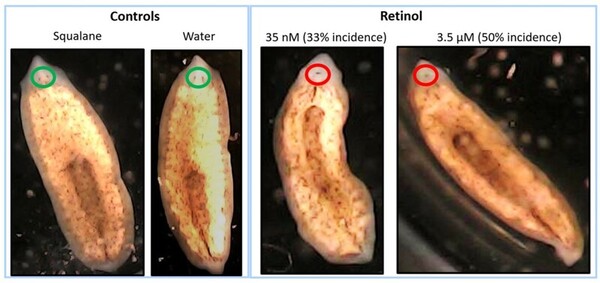
This unique research study evaluated the potential use of the flatworm, brown planaria (Dugesia tigrine), as an alternative model for teratogenicity testing. In this study, we exposed amputated planaria to varying concentrations of a known teratogen, vitamin A (retinol), for approximately 2 weeks, and evaluated multiple parameters including the formation of blastema and eyes. The results from this study demonstrated that high concentrations of retinol caused defects in head and eye formation in regenerating planaria, with similarities to vitamin A related teratogenicity findings in mammals. Based on these results, regenerating brown planaria are a promising alternative model for teratogenicity testing, which can potentially be paradigm shifting as it can reduce cost, time, and pregnant animal use in research.
Read More...Indole-3 carbinol on lipid accumulation in Caenorhabditis elegans as a novel therapeutic for Type II Diabetes
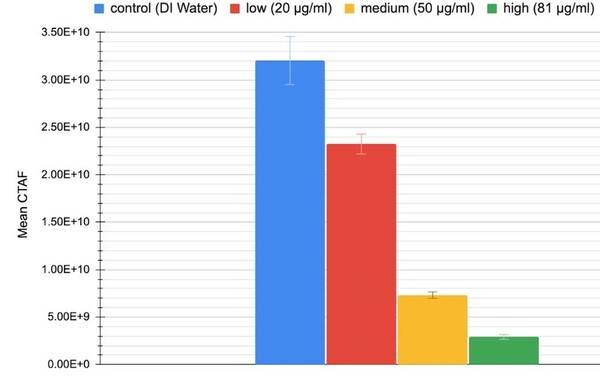
In this study the authors look at the use of Indole 3 Carbinol as a treatment for Type II Diabetes finding that it may be an effective treatment.
Read More...