
The authors looked at which measurements from the NFL combine were the most predictive of success for defensemen in the NFL.
Read More...Is the NFL Combine predictive of a defensive lineman’s NFL career?
The authors looked at which measurements from the NFL combine were the most predictive of success for defensemen in the NFL.
Read More...Optimizing tennis strategy: a data-driven analysis of point importance

The authors looked at the importance of different point breakdowns needed to win in a game of tennis.
Read More...Predicting baseball pitcher efficacy using physical pitch characteristics
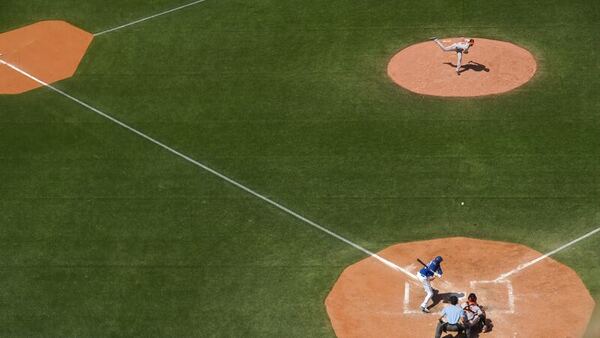
Here, the authors sought to develop a new metric to evaluate the efficacy of baseball pitchers using machine learning models. They found that the frequency of balls, was the most predictive feature for their walks/hits allowed per inning (WHIP) metric. While their machine learning models did not identify a defining trait, such as high velocity, spin rate, or types of pitches, they found that consistently pitching within the strike zone resulted in significantly lower WHIPs.
Read More...A systematic study of cut-resistant socks for hockey players
Rubik’s cube: What separates the fastest solvers from the rest?
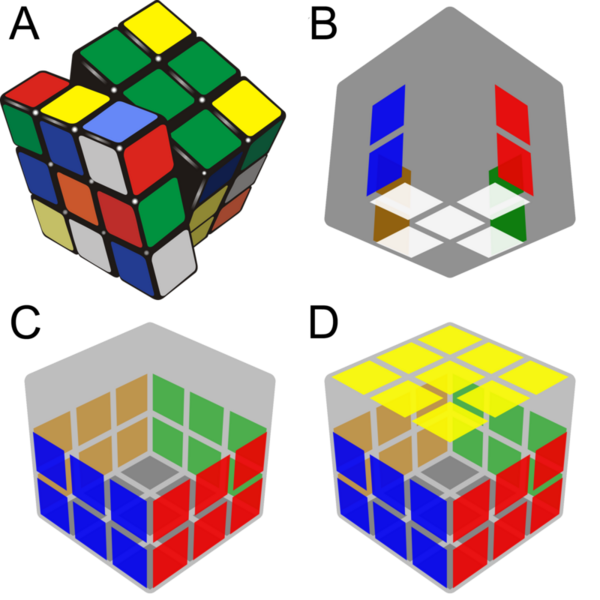
In this study, the authors assess the factors that allow some speedcubers to solve Rubik's Cubes faster than others.
Read More...Levering machine learning to distinguish between optimal and suboptimal basketball shooting forms
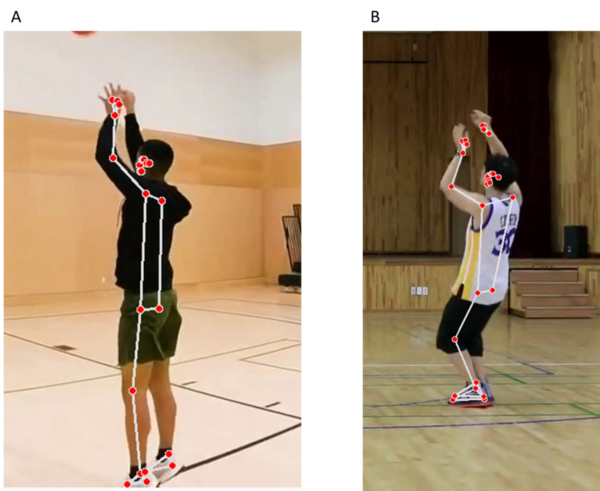
The authors looked at different ways to build computational resources that would analyze shooting form for basketball players.
Read More...Determination of Optimal Relevant Joint Angles for Vertical Jump Height Across Teenagers with Differing Amounts of Jumping Experience
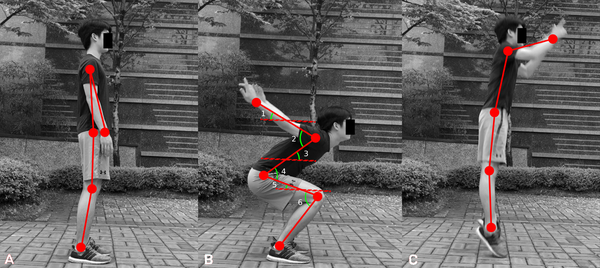
Reaching one’s maximum jump height requires optimizing one’s jump techniques. In order to find this optimal jump technique, three high school participants with varying vertical jump (VJ) abilities recorded videos of themselves with varying degrees of maximum/minimum shoulder, knee, and hip angles—with or without respect to the horizontal—at the isometric phase of a regular countermovement (CM) VJ or countermovement jump (CMJ). Results showed that the shoulder angle without respect to the horizontal (SA), knee angle with respect to the horizontal (KAH), and the hip angle with respect to the horizontal (HAH) possessed a more consistent correlation with VJ height across the subjects compared to the same respective angles with opposite relations to the horizontal.
Read More...An analysis of the mechanical properties of fencing swords, and implications for weapon selection

The sword is the most important piece of equipment a fencer uses. In this study, we compared the mechanical and physical properties of two of the most common types of swords used in foil fencing.We that found that maraging steel blades had a significantly greater stiffness and were damped more effectively than low carbon steel blades. These properties affect how the blade behaves during particular maneuvers and techniques, and our findings therefore provide useful insights for fencers who want to select the optimal sword configuration to suit their personal style.
Read More...An analysis of junior rower performance and how it is affected by rower's features
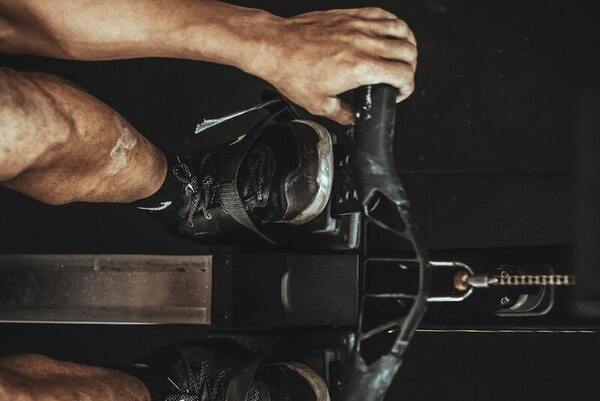
In this study, with consideration for the increasing participation of high school students in indoor rowing, the authors analyzed World Indoor Rowing Championship data. Statistical analysis revealed two key features that can determine the performance of a rower as well as increasing competitiveness in nearly all categories considered. They conclude by offering a 2000-meter ergometer time distribution that can help junior rowers assess their current performance relative to the world competition.
Read More...Analyzing honey’s ability to inhibit the growth of Rhizopus stolonifer
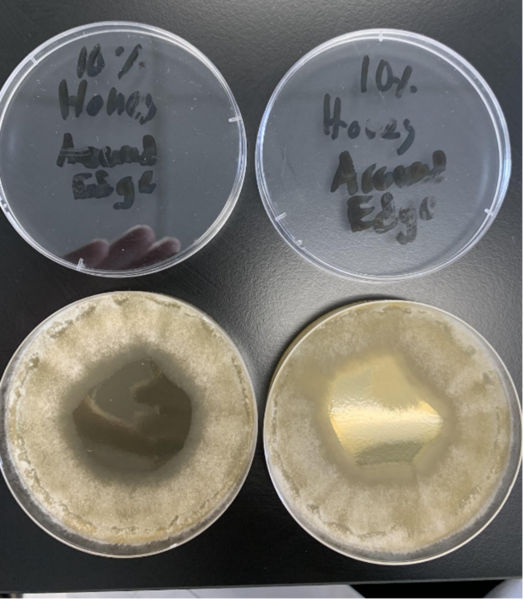
Rhizopus stolonifer is a mold commonly found growing on bread that can cause many negative health effects when consumed. Preservatives are the well-known answer to this problem; however, many preservatives are not naturally found in food, and some have negative health effects of their own. We focused on honey as a possible solution because of its natural origin and self-preservation ability. We hypothesized that honey would decrease the growth rate of R. stolonifer . We evaluated the honey with a zone of inhibition (ZOI) test on agar plates. Sabouraud dextrose agar was mixed with differing volumes of honey to generate concentrations between 10.0% and 30.0%. These plates were then inoculated with a solution of spores collected from the mold. The ZOI was measured to determine antifungal effectiveness. A statistically significant difference was found between the means of all concentrations except for 20.0% and 22.5%. Our findings support the hypothesis as we showed a positive correlation between the honey concentration and growth rate of mold. By using this data, progress could be made on an all-natural, honey-based preservative.
Read More...