Browse Articles

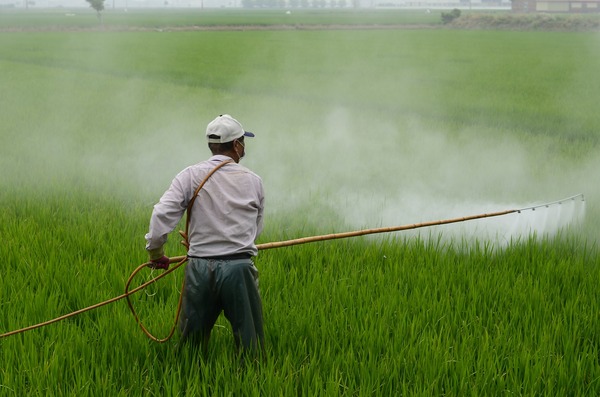
The Non-Thermal Effect of UV-B Irradiation on Onion Growth

Nashnoush et al. | Jun 09, 2020

The Non-Thermal Effect of UV-B Irradiation on Onion Growth

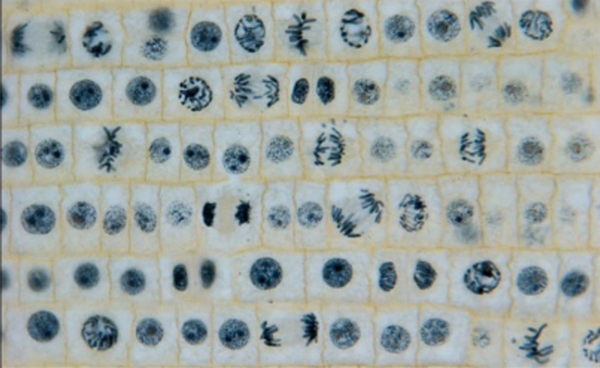
UV-B radiation due to the depletion of ozone threatens plant life, potentially damaging ecosystems and dismantling food webs. Here, the impact of UV-B radiation on the physiology and morphology of Allum cepa, the common onion, was assessed. Mitosis vitality decreased, suggesting UV-B damage can influence the plant’s physiology.

Read More...

Mutation of the Catalytic Cysteine in Anopheles gambiae Transglutaminase 3 (AgTG3) Abolishes Plugin Crosslinking Activity without Disrupting Protein Folding Properties

Pham et al. | May 02, 2014

Mutation of the Catalytic Cysteine in <em>Anopheles gambiae</em> Transglutaminase 3 (AgTG3) Abolishes Plugin Crosslinking Activity without Disrupting Protein Folding Properties

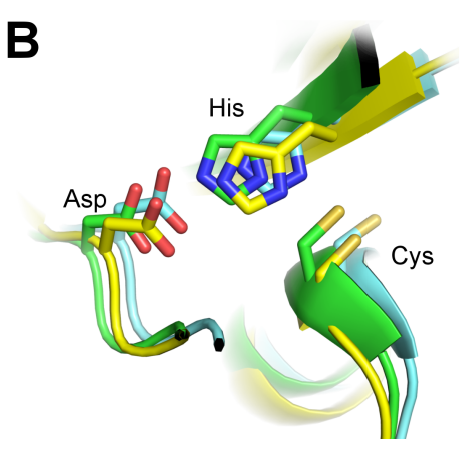
Malaria is a major public health issue, especially in developing countries, and vector control is a major facet of malaria eradication efforts. Recently, sterile insect technique (SIT), or the release of sterile mosquitoes into the wild, has shown significant promise as a method of keeping vector populations under control. In this study, the authors investigate the Anopheles gambiae transglutaminase 3 protein (AgT3), which is essential to the mating of the Anopheles mosquito. They show that an active site mutation is able to abolish the activity of the AgT3 enzyme and propose it as a potential target for chemosterilant inhibitors.

Read More...

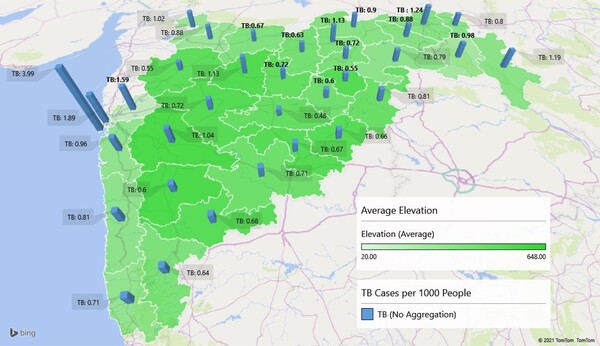
Impact of Population Density and Elevation on Tuberculosis Spread and Transmission in Maharashtra, India

Rao et al. | Nov 07, 2021

Impact of Population Density and Elevation on Tuberculosis Spread and Transmission in Maharashtra, India

India accounts for over 2.4 million recorded cases of tuberculosis, about 26% of the world’s cases. This research ascertained the bearing of both the population density and the average elevation above mean sea level (MSL) on the number of cases of TB recorded by the districts in Maharashtra, India. The results found a strong positive correlation between the number of TB cases per thousand people and the population density and a strong negative correlation between the number of TB cases per thousand people and the average elevation above MSL.

Read More...

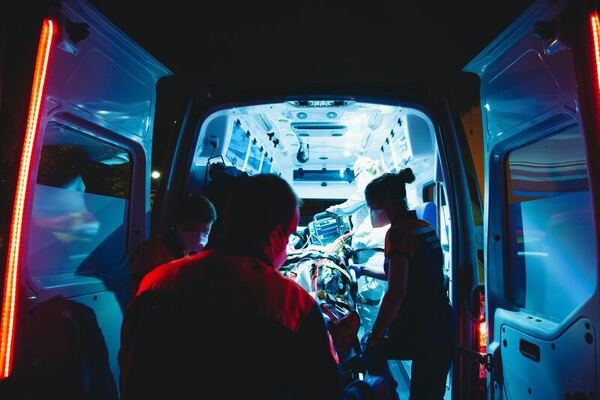
Analyzing resilience in a sample population as a novel qualifier for triage in psychological first aid

Ramesh et al. | Apr 18, 2023

Analyzing resilience in a sample population as a novel qualifier for triage in psychological first aid
Image credit: Mat Napo

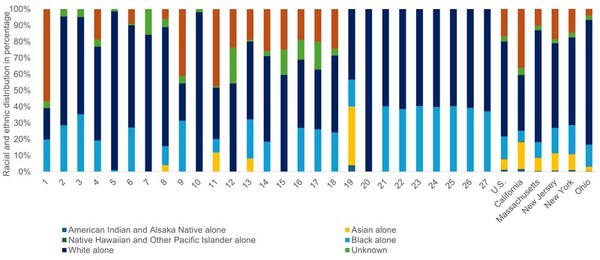
While serving as an immediate address for psychological safety and stability, psychological first aid (PFA) currently lacks the incorporation of triage. Without triage, patients cannot be prioritized in correspondence to condition severity that is often called for within emergency conditions. To disentangle the relevance of a potential triage system to PFA, the authors of this paper have developed a method to quantify resilience - a prominent predictor of the capability to recover from a disaster. With this resilience index, they have quantified resilience of differing age, race, and sex demographics to better inform the practice of PFA and potential demographic prioritization via a triage system.

Read More...

Geographic Distribution of Scripps National Spelling Bee Spellers Resembles Geographic Distribution of Child Population in US States upon Implementation of the RSVBee “Wildcard” Program

Kannankeril et al. | Aug 17, 2020

Geographic Distribution of Scripps National Spelling Bee Spellers Resembles Geographic Distribution of Child Population in US States upon Implementation of the RSVBee “Wildcard” Program

The Scripps National Spelling Bee (SNSB) is an iconic academic competition for United States (US) schoolchildren, held annually since 1925. However, the sizes and geographic distributions of sponsored regions are uneven. One state may send more than twice as many spellers as another state, despite similar numbers in child population. In 2018, the SNSB introduced a wildcard program known as RSVBee, which allowed students to apply to compete as a national finalist, even if they did not win their regional spelling bee. In this study, the authors tested the hypothesis that the geographic distribution of SNSB national finalists more closely matched the child population of the US after RSVBee was implemented.

Read More...

The effects of COVID-19 pandemic social isolation on the mental and physical health of the general population

Cinque et al. | Oct 15, 2022

The effects of COVID-19 pandemic social isolation on the mental and physical health of the general population

Here, seeking to better understand on the effects of social isolation during the COVID-19 pandemic, the authors used a survey during April and May of 2020 of participants primarily in Long Island, NY to assess the physical and mental health of the general population. They found negative impacts to physical health and increases in depressive symptoms and feelings of loneliness across all groups. More significant increases in negative mental health symptoms were observed in younger age groups and amongst women.

Read More...

Idotea balthica comparison: Anatomy, locomotion, and seaweed preference of Massachusetts isopods

Yee et al. | Feb 17, 2022

<em>Idotea balthica</em> comparison: Anatomy, locomotion, and seaweed preference of Massachusetts isopods

Here the authors examined a population of Massachusetts marine isopods, seeking to classify them based on comparison of their morphology, movement, and seaweed preference compared to those of known species. In this process they found that they were most similar to Idotea balthica. The authors suggest that this knowledge combined with monitoring populations of marine biology such as these isopods in different physical and ecological areas can provide useful insight into the effects of climate change.

Read More...