Browse Articles

Improving measurement of reducing sugar content in carbonated beverages using Fehling’s reagent

Zhang et al. | Jul 21, 2020

Improving measurement of reducing sugar content in carbonated beverages using Fehling’s reagent

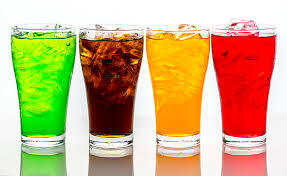
The sugar-rich modern diet underlies a suite of metabolic disorders, most common of which is diabetes. Accurately reporting the sugar content of pre-packaged food and drink items can help consumers track their sugar intake better, facilitating more cognisant and, eventually, moderate consumption of high-sugar items. In this article, the authors examine the effect of several variables on the accuracy of Fehling's reaction, a colorimetric reaction used to estimate sugar content.

Read More...

Cathodal Galvanotaxis: The Effect of Voltage on the distribution of Tetrahymena pyriformis

Zheng et al. | Jun 10, 2019

Cathodal Galvanotaxis: The Effect of Voltage on the distribution of <em>Tetrahymena pyriformis</em>

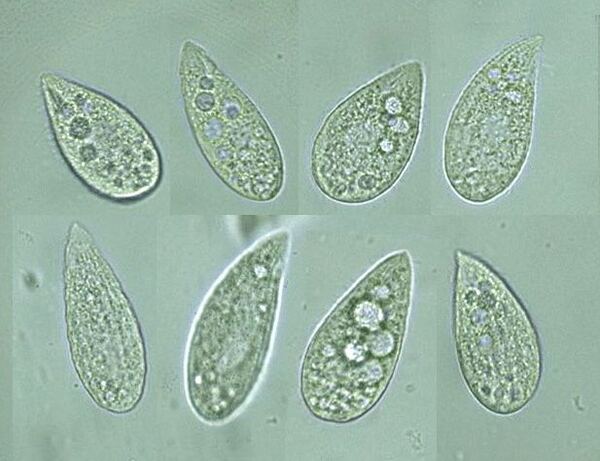
The surface of the unicellular eukaryote, Tetrahymena pyriformis, is covered with thousands of hair-like cilia. These cilia are very similar to cilia of the human olfactory and respiratory tracts making them model organisms for studying cilia function and pathology. The authors of this study investigated the effect of voltage on T. pyriformis galvanotaxis, the movement towards an electrical stimulus. They observed galvanotaxis towards the cathode at voltages over 4V which plateau, indicating opening of voltage gated-ion channels to trigger movement.

Read More...

Decolorization of textile dyes by edible white rot fungi

Lin et al. | Apr 29, 2022

Decolorization of textile dyes by edible white rot fungi

As fast fashion explodes in popularity, the fashion industry remains one of the most prominent industries responsible for pollution. This pollution includes a lack of treatment for textile dyes that remain toxic or carcinogenic as they persist in wastewater. To resolve this, the authors of this study set out to determine the efficacy of using edible white rot fungi for cell-based biodegradation of textile dyes into harmless chemicals. This method takes advantage of fungi found in excess from the fungi industry, decreasing food waste while addressing textile waste in tandem.

Read More...

FRUGGIE – A Board Game to Combat Obesity by Promoting Healthy Eating Habits in Young Children

Huprikar et al. | Jun 13, 2018

FRUGGIE – A Board Game to Combat Obesity by Promoting Healthy Eating Habits in Young Children

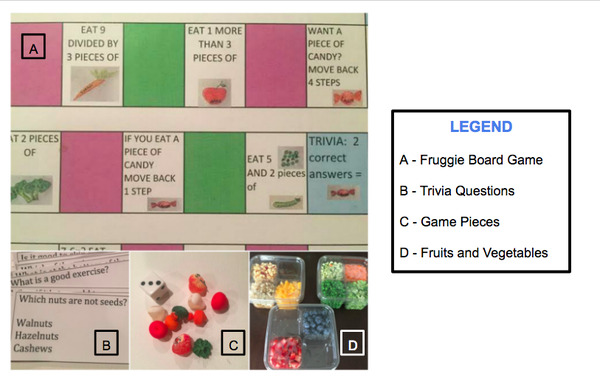
The authors created a board game to teach young children about healthy eating habits to see whether an interactive and family-oriented method would be effective at introducing and maintaining a love for fruits and veggies. Results showed that children developed a liking for fruits and vegetables, and none regressed. Half maintained their level of enjoyment for fruits and vegetables during the research period, while the other half had a positive increase. The results show that a simple interactive game can shape how young children relate to food and encourage them to maintain healthy habits.

Read More...

Are Teens Willing to Pay More for Their Preferred Goods?

Johnson et al. | Sep 28, 2019

Are Teens Willing to Pay More for Their Preferred Goods?
Image credit: Blake Wisz

Each day we are flooded with new items that promise us a better experience at a better price. This forces buyers to continuously chose between sticking to what they know, or trying something new. In turn, companies need to be aware of the factors affecting consumer choices, that too within the different fractions of society. In this study the authors investigate the effect of survey-based price setting on profits made based on African American teen purchases, and how African-American teen loyalty to a particular brand affects their willingness to pay a higher price than the market average for their preferred brand items.

Read More...

The effect of common food preservatives on the growth of bacteria

Yulin et al. | Jul 06, 2025

The effect of common food preservatives on the growth of bacteria
Image credit: Michael Schiffer

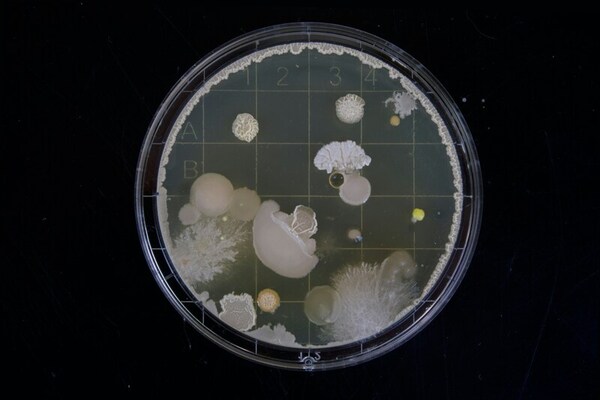
Here the authors aimed to find the best preservative combinations to stop bacterial growth in food, using data modeling and biochemical experiments. They discovered that single preservatives are often not enough, with varying effectiveness against different bacteria, and suggest future research into combining preservatives for better results.

Read More...

Heat impact to food’s shelf life - An example of milk

Xu et al. | Dec 13, 2022

Heat impact to food’s shelf life - An example of milk

Food spoilage happens when food is not kept in a good storage condition. Qualitatively estimating the shortened shelf life of food could reduce food waste. In this study, we tested the impact of heat on milk shelf life. Our results showed that an exposure at room temperature (25°C) for 3.2 hours will decrease the shelf life of milk by one day.

Read More...