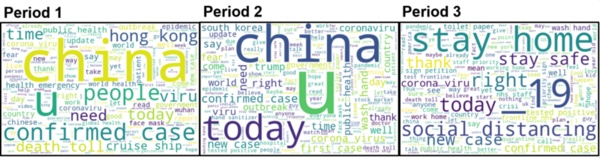
The authors examine a relationship between tweet sentiment and stock market behavior during the early weeks of the COVID-19 pandemic.
Read More...Understanding investors behaviors during the COVID-19 outbreak using Twitter sentiment analysis
The authors examine a relationship between tweet sentiment and stock market behavior during the early weeks of the COVID-19 pandemic.
Read More...A comparative analysis of machine learning approaches for prediction of breast cancer
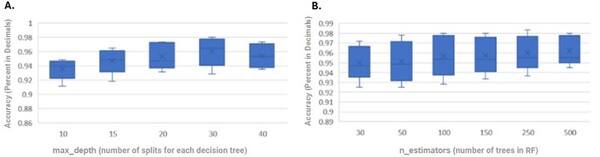
Machine learning and deep learning techniques can be used to predict the early onset of breast cancer. The main objective of this analysis was to determine whether machine learning algorithms can be used to predict the onset of breast cancer with more than 90% accuracy. Based on research with supervised machine learning algorithms, Gaussian Naïve Bayes, K Nearest Algorithm, Random Forest, and Logistic Regression were considered because they offer a wide variety of classification methods and also provide high accuracy and performance. We hypothesized that all these algorithms would provide accurate results, and Random Forest and Logistic Regression would provide better accuracy and performance than Naïve Bayes and K Nearest Neighbor.
Read More...A comparative analysis of machine learning approaches to predict brain tumors using MRI
The authors use machine learning on MRI images of brain tissue to predict tumor onset as an avenue for early detection of brain cancer.
Read More...Redefining and advancing tree disease diagnosis through VOC emission measurements
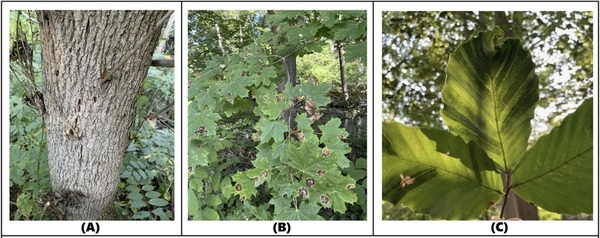
Here the authors investigated the use of an affordable gas sensor to detect volatile organic compound (VOC) emissions as an early indicator of tree disease, finding statistically significant differences in VOCs between diseased and non-diseased ash, beech, and maple trees. They suggest this sensor has potential for widespread early disease detection, but call for further research with larger sample sizes and diverse locations.
Read More...Transfer learning and data augmentation in osteosarcoma cancer detection
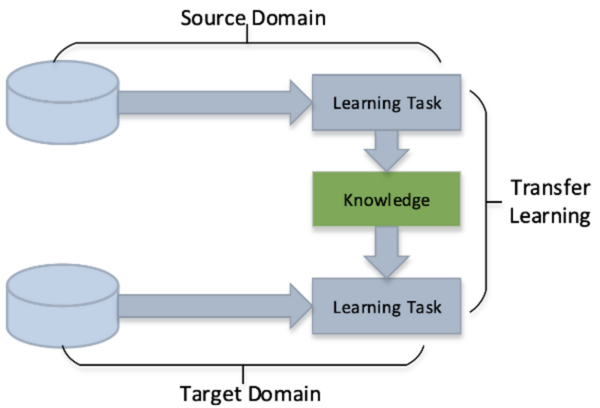
Osteosarcoma is a type of bone cancer that affects young adults and children. Early diagnosis of osteosarcoma is crucial to successful treatment. The current methods of diagnosis, which include imaging tests and biopsy, are time consuming and prone to human error. Hence, we used deep learning to extract patterns and detect osteosarcoma from histological images. We hypothesized that the combination of two different technologies (transfer learning and data augmentation) would improve the efficacy of osteosarcoma detection in histological images. The dataset used for the study consisted of histological images for osteosarcoma and was quite imbalanced as it contained very few images with tumors. Since transfer learning uses existing knowledge for the purpose of classification and detection, we hypothesized it would be proficient on such an imbalanced dataset. To further improve our learning, we used data augmentation to include variations in the dataset. We further evaluated the efficacy of different convolutional neural network models on this task. We obtained an accuracy of 91.18% using the transfer learning model MobileNetV2 as the base model with various geometric transformations, outperforming the state-of-the-art convolutional neural network based approach.
Read More...Expressional correlations between SERPINA6 and pancreatic ductal adenocarcinoma-linked genes
Pancreatic ductal adenocarcinoma (PDAC) is the most common form of pancreatic cancer, with early diagnosis and treatment challenges. When any of the genes KRAS, SMAD4, TP53, and BRCA2 are heavily mutated, they correlate with PDAC progression. Cellular stress, partly regulated by the gene SERPINA6, also correlates with PDAC progression. When SERPINA6 is highly expressed, corticosteroid-binding globulin inhibits the effect of the stress hormone cortisol. In this study, the authors explored whether there is an inverse correlation between the expression of SERPINA6 and PDAC-linked genes.
Read More...Lung cancer AI-based diagnosis through multi-modal integration of clinical and imaging data
Lung cancer is highly fatal, largely due to late diagnoses, but early detection can greatly improve survival. This study developed three models to enhance early diagnosis: an MLP for clinical data, a CNN for imaging data, and a hybrid model combining both.
Read More...Transfer Learning with Convolutional Neural Network-Based Models for Skin Cancer Classification
Skin cancer is a common and potentially deadly form of cancer. This study’s purpose was to develop an automated approach for early detection for skin cancer. We hypothesized that convolutional neural network-based models using transfer learning could accurately differentiate between benign and malignant moles using natural images of human skin.
Read More...Utilizing a novel T1rho method to detect spinal degeneration via magnetic resonance imaging
Spinal degeneration has been linked to critical conditions such as osteoarthritis in adults aged 40+; while this condition is considered to be irreversible, we took interest in magnetic resonance imaging (MRI) for early detection of the condition. Ultimately, our purpose was to determine the effectiveness of a relatively novel T1rho method in the early detection of spinal degeneration, and we hypothesized that the early to mild progression of spinal degeneration would affect T1rho values following an MRI scan.
Read More...Prediction of preclinical Aβ deposit in Alzheimer’s disease mice using EEG and machine learning
Alzheimer’s disease (AD) is a common disease affecting 6 million people in the U.S., but no cure exists. To create therapy for AD, it is critical to detect amyloid-β protein in the brain at the early stage of AD because the accumulation of amyloid-β over 20 years is believed to cause memory impairment. However, it is difficult to examine amyloid-β in patients’ brains. In this study, we hypothesized that we could accurately predict the presence of amyloid-β using EEG data and machine learning.
Read More...