Browse Articles

Analysis of biofertilization impacts on Pisum sativum

Holden et al. | May 18, 2023

Analysis of biofertilization impacts on <i>Pisum sativum</i>
Image credit: David Boozer

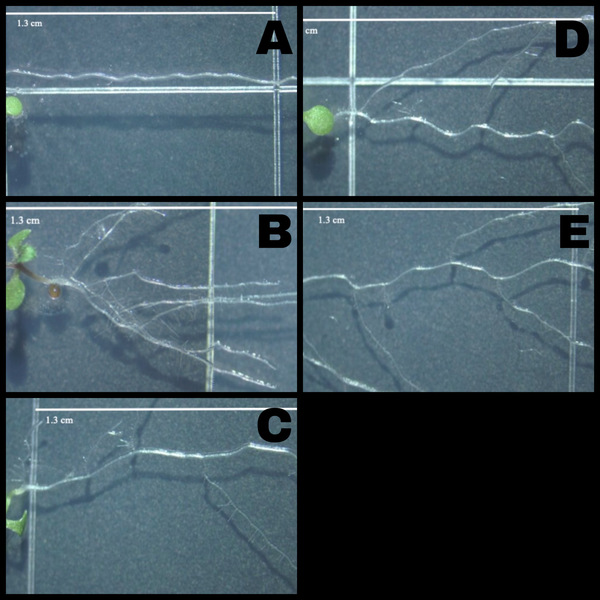
This study explored the various effects of three different produce-based biofertilizers on pea plant growth, using red apple, pear, strawberry, and control treatments. It was hypothesized that the application of fruit biomatter would increase the growth of pea plants, with the application of strawberry biomatter having the most significant effect due to strawberries containing a higher nutrient content compared to pears and apples. Analysis confirmed the hypothesis. The application of strawberry biomatter could prove to be an effective way to increase plant growth in commercial agriculture.

Read More...

Effects of Prolonged Azithromycin Therapy on Bacterial Resistance to Functionally Analogous Antibiotics

Gibbs et al. | Dec 04, 2020

Effects of Prolonged Azithromycin Therapy on Bacterial Resistance to Functionally Analogous Antibiotics

In this study, the authors investigate a potential case of cross antibiotic-resistance. Using swabs from an individual who received long-term treatments of azithromycin, they addressed the question of whether any bacteria in this individual might develop resistance to not only azithromycin, but also other antibiotics with similar structures. This study cleverly addresses the important issue of antibiotic resistance from a new and thoughtful approach.

Read More...

Machine Learning Algorithm Using Logistic Regression and an Artificial Neural Network (ANN) for Early Stage Detection of Parkinson’s Disease

Kar et al. | Oct 10, 2020

Machine Learning Algorithm Using Logistic Regression and an Artificial Neural Network (ANN) for Early Stage Detection of Parkinson’s Disease

Despite the prevalence of PD, diagnosing PD is expensive, requires specialized testing, and is often inaccurate. Moreover, diagnosis is often made late in the disease course when treatments are less effective. Using existing voice data from patients with PD and healthy controls, the authors created and trained two different algorithms: one using logistic regression and another employing an artificial neural network (ANN).

Read More...

Effect of Manuka Honey and Licorice Root Extract on the Growth of Porphyromonas gingivalis: An In Vitro Study

Chandran et al. | Apr 11, 2018

Effect of Manuka Honey and Licorice Root Extract on the Growth of Porphyromonas gingivalis: An In Vitro Study

Chronic bad breath, or halitosis, is a problem faced by nearly 50% of the general poluation, but existing treatments such as liquid mouthwash or sugar-free gum are imperfect and temporary solutions. In this study, the authors investigate potential alternative treatments using natural ingredients such as Manuka Honey and Licorice root extract. They found that Manuka honey is almost as effective as commercial mouthwashes in reducing the growth of P gingivalis (one of the main bacteria that causes bad breath), while Licorice root extract was largely ineffective. The authors' results suggest that Manuka honey is a promising candidate in the search for new and improved halitosis treatments.

Read More...

Estimation of cytokines in PHA-activated mononuclear cells isolated from human peripheral and cord blood

Subbiah et al. | Mar 09, 2022

Estimation of cytokines in PHA-activated mononuclear cells isolated from human peripheral and cord blood

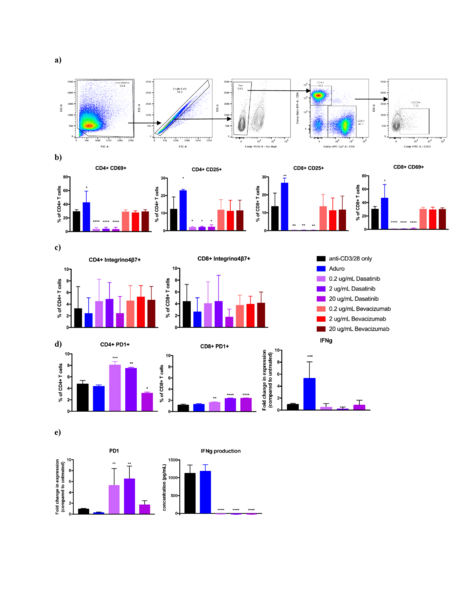
In this study, the authors investigated the time-dependent cytokine secretion ability of phyto-hemagglutinin (PHA)-activated T cells derived from human peripheral (PB) and cord blood (CB). They hypothesized that the anti-inflammatory cytokine, IL-10, and pro-inflammatory cytokine, TNFα, levels would be higher in PHA-activated T cells obtained from PB as compared to the levels obtained from CB and would decrease over time. Upon PHA-activation, the IL-10 levels were relatively high while the TNFα levels decreased, making these findings applicable in therapeutic treatments e.g., rheumatoid arthritis, psoriasis, and organ transplantation.

Read More...

Repurposing citrus peel waste and its positive effects on our health and communities

Kim et al. | Feb 08, 2021

Repurposing citrus peel waste and its positive effects on our health and communities

Every year, more than 30% of food products go to waste. This is approximately 1.3 billion tons of food, which is equivalent to 1.3 trillion U.S. dollars. While conventional solid waste treatments and fertilization of food waste are common, citrus fruit peels require secondary applications and advanced disposal management due to their low pH values and high antimicrobial characteristics. Since citrus fruits are well-known sources of vitamin C and antioxidants, we hypothesized that their peels also contain high amounts of vitamin C and antioxidants. In our study, five common citrus peels including grapefruit, lemon, lime, orange, and tangerine, were used to determine the amounts of vitamin C and total soluble antioxidants.

Read More...

Upregulation of the Ribosomal Pathway as a Potential Blood-Based Genetic Biomarker for Comorbid Major Depressive Disorder (MDD) and PTSD

Ravi et al. | Aug 22, 2018

Upregulation of the Ribosomal Pathway as a Potential  Blood-Based Genetic Biomarker for Comorbid Major Depressive Disorder (MDD) and PTSD

Major Depressive Disorder (MDD), and Post-Traumatic Stress Disorder (PTSD) are two of the fastest growing comorbid diseases in the world. Using publicly available datasets from the National Institute for Biotechnology Information (NCBI), Ravi and Lee conducted a differential gene expression analysis using 184 blood samples from either control individuals or individuals with comorbid MDD and PTSD. As a result, the authors identified 253 highly differentially-expressed genes, with enrichment for proteins in the gene ontology group 'Ribosomal Pathway'. These genes may be used as blood-based biomarkers for susceptibility to MDD or PTSD, and to tailor treatments within a personalized medicine regime.

Read More...

Cutibacterium acnes sequence space topology implicates recA and guaA as potential virulence factors

Bohdan et al. | May 01, 2025

<i>Cutibacterium acnes</i> sequence space topology implicates <i>recA</i> and <i>guaA</i> as potential virulence factors
Image credit: Bohdan and Platje 2025

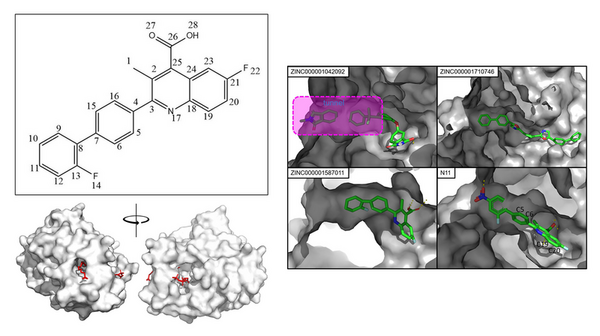
Cutibacterium acnes is a bacterium believed to play an important role in the pathogenesis of common skin diseases such as acne vulgaris. Currently, acne is known to be associated with strains from the type IA1 and IC clades of C. acnes, while those from the type IA2, IB, II, and III phylogroups are associated with skin health. This is the first study to explore the sequence space of individual gene products of different C. acnes phylogroups. Our analysis compared the sequence space topology of virulence factors to proteins with unknown functions and housekeeping proteins. We hypothesized that sequence space features of virulence factors are different from housekeeping protein features, which potentially provides an avenue to deduce unknown proteins’ functions. This proposition should be confirmed based on further experimental outcomes. A notable similarity in the sequence spaces’ topological features of previously known as housekeeping proteins encoded by recA and guaA genes to ‘putative virulence’ genes camp2 and tly was observed. Our research suggests further investigation of recA and guaA’s potential virulence properties to better understand acne pathogenesis and develop more targeted acne treatments.

Read More...