Browse Articles

Assessing CDK5 as a Nanomotor for Chemotactic Drug Delivery

Jiang et al. | Sep 08, 2022

Assessing CDK5 as a Nanomotor for Chemotactic Drug Delivery

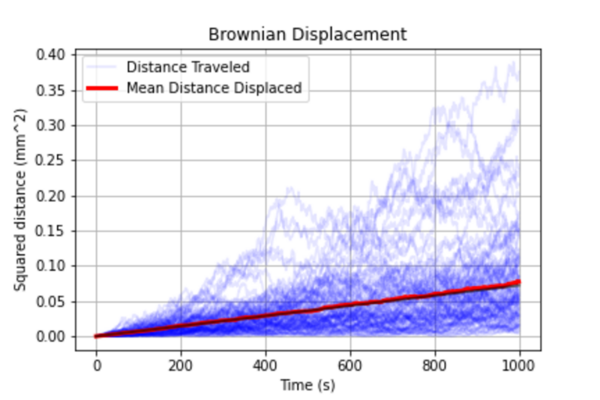
Enzyme chemotaxis is a thermodynamic phenomenon in which enzymes move along a substrate concentration gradient towards regions with higher substrate concentrations and can be used to steer nanovehicles towards targets along natural substrate concentrations. In patients with Alzheimer’s disease, a gradient of tau protein forms in the bloodstream. Tau protein is a substrate of the enzyme CDK5, which catalyzes the phosphorylation of tau protein and can travel using chemotaxis along tau protein gradients to increasing concentrations of tau and amyloid-beta proteins. The authors hypothesized that CDK5 would be able to overcome these barriers of Brownian motion and developed a quantitative model using Michaelis-Menten kinetics to define the necessary parameters to confirm and characterize CDK5’s chemotactic behavior to establish its utility in drug delivery and other applications.

Read More...
Testing HCN1 channel dysregulation in the prefrontal cortex using a novel piezoelectric silk neuromodulator

Mathew et al. | May 05, 2021

Testing HCN1 channel dysregulation in the prefrontal cortex using a novel piezoelectric silk neuromodulator

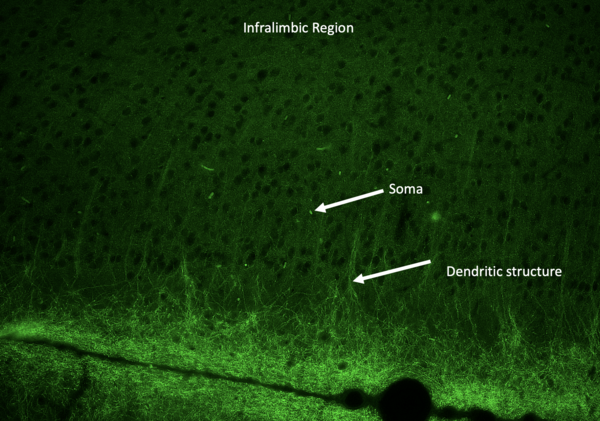
Although no comprehensive characterization of schizophrenia exists, there is a general consensus that patients have electrical dysfunction in the prefrontal cortex. The authors designed a novel piezoelectric silk-based implant and optimized electrical output through the addition of conductive materials zinc oxide (ZnO) and aluminum nitride (AlN). With further research and compatibility studies, this implant could rectify electrical misfiring in the infralimbic prefrontal cortex.

Read More...