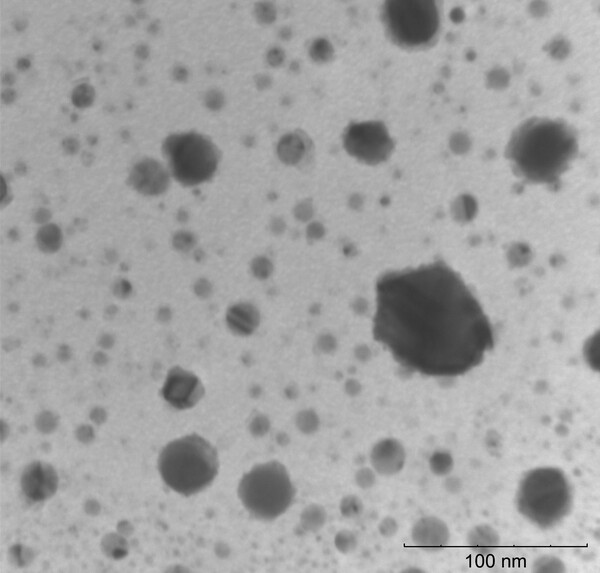
The authors propose a method to recycle Christmas tree needles into a non-toxic reducing agent for synthesizing copper nanoparticles.
Read More...Copper nanoparticle synthesis using Picea glauca ‘Conica’
The authors propose a method to recycle Christmas tree needles into a non-toxic reducing agent for synthesizing copper nanoparticles.
Read More...Comparing the effects of electronic cigarette smoke and conventional cigarette smoke on lung cancer viability
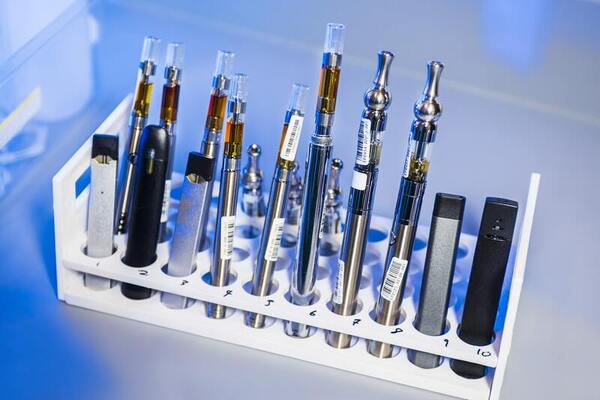
Here, recognizing the significant growth of electronic cigarettes in recent years, the authors sought to test a hypothesis that three main components of the liquid solutions used in e-cigarettes might affect lung cancer cell viability. In a study performed by exposing A549 cells, human lung cancer cells, to different types of smoke extracts, the authors found that increasing levels of nicotine resulted in improve lung cancer cell viability up until the toxicity of nicotine resulted in cell death. They conclude that these results suggest that contrary to conventional thought e-cigarettes may be more dangerous than tobacco cigarettes in certain contexts.
Read More...Effects of Quorum Sensing and Media on the Bioluminescent Bacteria Vibrio fischeri
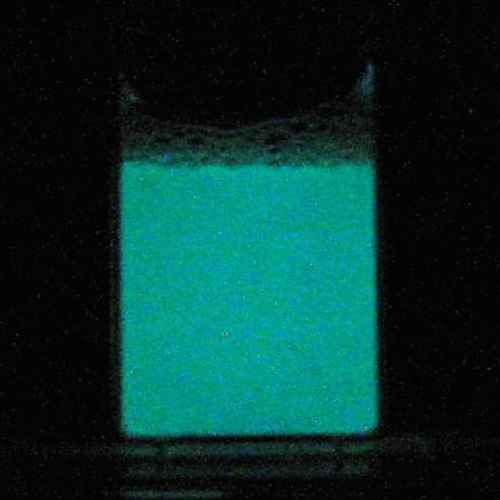
Vibrio fischeri is an amazing species of bacteria that lives symbiotically in the light organ of luminescent bobtail squid. In this study, authors study the strength and optimal conditions for V. fischeri light production, and assess whether this luminescence could be a natural light source comparable to manmade lighting.
Read More...Monitoring the formation of polyurethane foams with an infrared camera: Classroom activity
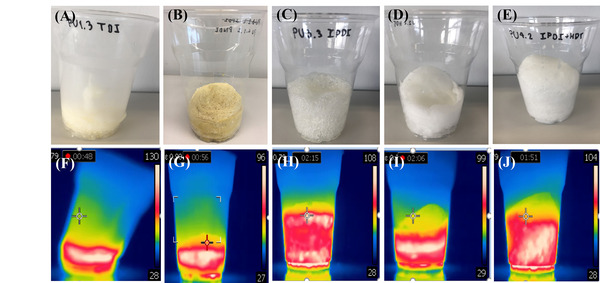
In this study, the authors utilize an infrared camera to visualize and investigate the exothermic reaction of polyurethane foam, which has many everyday uses including automotive seats, bedding, and insulation.
Read More...Utilizing a Wastewater-Based Medium for Engineered Saccharomyces cerevisiae for the Biological Production of Fatty Alcohols and Carboxylic Acids to Replace Petrochemicals
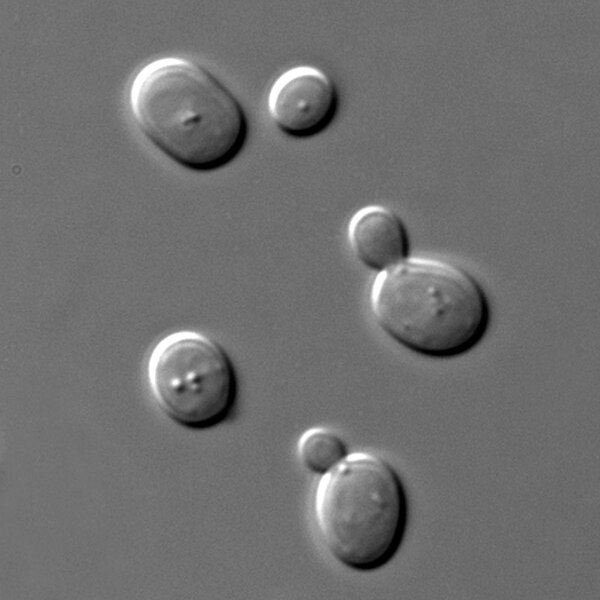
Saccharomyces cerevisiae yeast is used to produce bioethanol, an alternative to fossil fuels. In this study, authors take advantage of this well studied yeast by genetically engineering them to increase fatty acid biosynthesis and culturing in a cost-effective wastewater based medium; potentially providing a sustainable alternative to petrochemicals.
Read More...