We systematically evaluated the effects of raw material composition, heat treatment, and mechanical properties on 13-8PH stainless steel alloy. The results of the neural network models were in agreement with experimental results and aided in the evaluation of the effects of aging temperature on double shear strength. The data suggests that this model can be used to determine the appropriate 13-8PH alloy aging temperature needed to achieve the desired mechanical properties, eliminating the need for many costly trials and errors through re-heat treatments.
As digital tools become more prevalent in medicine, the ability for individuals to understand and take actions based on what they read on the internet is crucial. eHealth literacy is defined as as the ability to seek, find, understand, and evaluate health information from electronic sources and apply the knowledge gained to addressing or solving a health problem. In general, Americans have low eHealth literacy rates. However, limited research has been conducted to understand the eHealth literacy level among older Chinese adult immigrants in the U.S. To determine the eHealth literacy of elderly Chinese immigrants, we sent out an eHealth survey and relevant computer skills survey using a modified version of the eHEALS (eHealth Literacy Scale) health literacy test. We hypothesized that elders who consumed more electronic health content would have a higher eHealth literacy score. The results of this survey showed that there was a positive correlation between the frequency of electronic health information consumption and the participant's eHealth literacy rate. In addition, the results of our computer literacy test show that the frequency of consumption and computer literacy are positively correlated as well. There is a strong positive correlation between the level of computer skills and eHealth literacy of participants. These results reveal possible steps individuals can take to reduce health misinformation and improve their own health by attaining, understanding, and taking action on health material on the internet.
Although commonly associated with cryptocurrency, blockchains offer security that other databases could benefit from. These student authors tested a blockchain database framework, and by tracking runtime of four independent variables, they prove this framework is feasible for application.
Over the last few decades, childhood stunting has persisted as a major global challenge. This study hypothesized that TPTO (Tree-based Pipeline Optimization Tool), an AutoML (automated machine learning) tool, would outperform all pre-existing machine learning models and reveal the positive impact of economic prosperity, strong familial traits, and resource attainability on reducing stunting risk. Feature correlation plots revealed that maternal height, wealth indicators, and parental education were universally important features for determining stunting outcomes approximately two years after birth. These results help inform future research by highlighting how demographic, familial, and socio-economic conditions influence stunting and providing medical professionals with a deployable risk assessment tool for predicting childhood stunting.
Here the authors investigated the motivation of a short squeeze of GameStop stock where users of the internet forum Reddit drove a sudden increase in GameStop stock price during the start of 2021. They relied on both qualitative and quantitative analyses where they tracked activity on the r/WallStreetBets subreddit in relation to mentions of GameStop. With these methods they found that while initially the short squeeze was driven by financial motivations, later on emotional motivations became more important. They suggest that social phenomena can be dynamic and evolve necessitating mixed method approaches to study them.
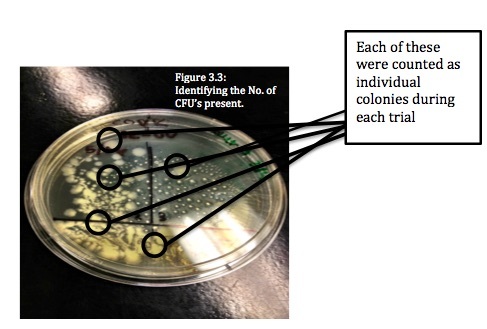
In this work, based on centuries of history where spices have been used and thought to have antimicrobial properties that prolong the shelf life of food, the authors investigated if several spices used in Indian cooking could delay the spoilage of cooked white rice. Based on changed in appearance and smell, as well as growth on agar plates, they found that cinnamon was the most effective in delaying spoilage, followed by cumin, pepper, garlic, and ginger. Their findings suggest the ability to use spices rather than chemical food preservatives to prolong the shelf life of foods.
With advancements in machine learning a large data scale, high throughput virtual screening has become a more attractive method for screening drug candidates. This study compared the accuracy of molecular descriptors from two cheminformatics Mordred and PaDEL, software libraries, in characterizing the chemo-structural composition of 53 compounds from the non-nucleoside reverse transcriptase inhibitors (NNRTI) class. The classification model built with the filtered set of descriptors from Mordred was superior to the model using PaDEL descriptors. This approach can accelerate the identification of hit compounds and improve the efficiency of the drug discovery pipeline.
The authors use HF-1, an herbal formation, on bone marrow derived cells as well as breast cancer cells to assess HF-1's ability to prevent tumorigenesis. As metastasis requires coordination of multiple cells in the tumor microenvironment, their findings that HF-1 augments cytokine expression such as VEGF & TGF-B show that HF-1 has potential application to therapeutics.
In this study, the authors investigated the time-dependent cytokine secretion ability of phyto-hemagglutinin (PHA)-activated T cells derived from human peripheral (PB) and cord blood (CB). They hypothesized that the anti-inflammatory cytokine, IL-10, and pro-inflammatory cytokine, TNFα, levels would be higher in PHA-activated T cells obtained from PB as compared to the levels obtained from CB and would decrease over time. Upon PHA-activation, the IL-10 levels were relatively high while the TNFα levels decreased, making these findings applicable in therapeutic treatments e.g., rheumatoid arthritis, psoriasis, and organ transplantation.
In film, anxiety and depressive disorders are often depicted inaccurately. When viewers are exposed to these inaccurate portrayals, they collect misinformation about the disorders, as well as people who live with them, leading to stigma. This study used a mixed-method descriptive approach to analyze 16 teenagers’ attitudes towards people with anxiety and depression. Results found that while participants understood how these portrayals create stigma, they did not attribute this to misinformation. These results can be used to help both the film industry and the movie-going public better understand the effects of inaccurate storytelling and the extent to which it informs public perception