Here, recognizing the effects of the COVID-19 pandemic on young peoples' mental health and wellbeing the authors used an online survey which included the short General Health Questionnaire (GHQ-12) to probe 102 young adults. Overall they found that young adults perceived the pandemic to be detrimental to many areas of their wellbeing, with females and those aged 18-19 and 22-23 reporting to be the most significantly impacted.
This article describes the relationship between socioeconomic factors and the extent of how the COVID-19 Pandemic affected communities. Factors such as infection rate, vaccination rate, and economic status were all evaluated within the context of this article.
The Environmental Protection Agency (EPA) reports a significant number of heavy metal-contaminated sites across the United States. To address this public health concern, rhizoremediation using microbes has emerged as a promising solution. Here, a combination of soil microbes were inoculated in the rhizosphere in soil contaminated with 500 parts per million (ppm) of lead. Results showed rhizoremediation is an effective bioremediation strategy and may increase crop productivity by converting nonarable lands into arable lands.
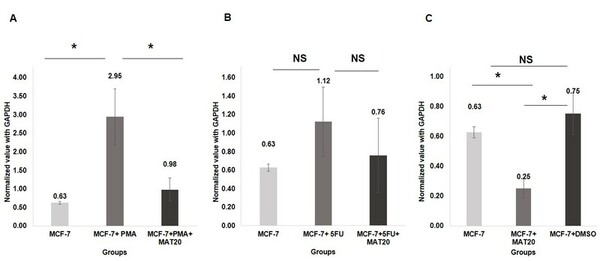
The authors found that treatment with AS20 suppressed phorbol 12-myristate 13-acetate (PMA) and 5-flurouracil (5-FU) induction of COX2 expression. We also observed AS20 treated cells showed DNA fragmentation in HeLa cells.
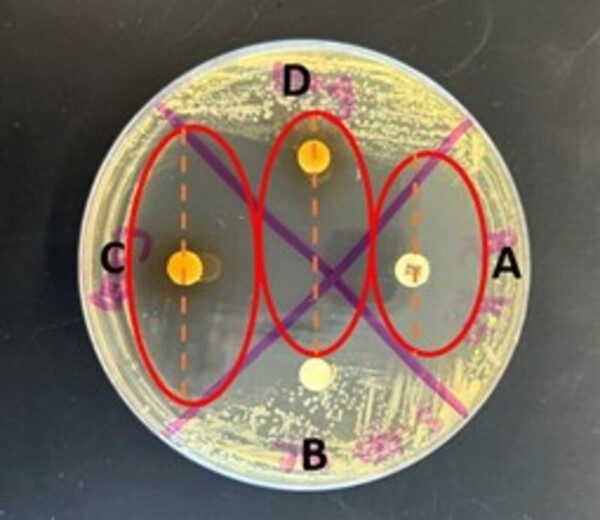
This study aimed to determine whether artificial sweeteners are harmful to the human microbiome by investigating two different bacteria found to be advantageous to the human gut, Escherichia coli and Bacillus coagulans. Results showed dramatic reduction in bacterial growth for agar plates containing two artificial sweeteners in comparison to two natural sweeteners. This led to the conclusion that both artificial sweeteners inhibit the growth of the two bacteria and warrants further study to determine if zero-sugar sweeteners may be worse for the human gut than natural sugar itself.
Here, the authors considered the effects of relationship status and substance use on the mental health of colleges students, where they specifically examined their correlation with depression, anxiety, and the fear of missing out (FoMO). Through a survey of college students they found that those with higher substance misuse had higher levels of anxiety, depression, and FoMO, while those involved in longer-term relationships had lower levels of FoMo and alcohol use.
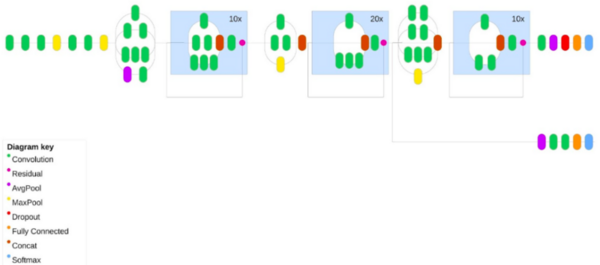
Osteosarcoma is a type of bone cancer that affects young adults and children. Early diagnosis of osteosarcoma is crucial to successful treatment. The current methods of diagnosis, which include imaging tests and biopsy, are time consuming and prone to human error. Hence, we used deep learning to extract patterns and detect osteosarcoma from histological images. We hypothesized that the combination of two different technologies (transfer learning and data augmentation) would improve the efficacy of osteosarcoma detection in histological images. The dataset used for the study consisted of histological images for osteosarcoma and was quite imbalanced as it contained very few images with tumors. Since transfer learning uses existing knowledge for the purpose of classification and detection, we hypothesized it would be proficient on such an imbalanced dataset. To further improve our learning, we used data augmentation to include variations in the dataset. We further evaluated the efficacy of different convolutional neural network models on this task. We obtained an accuracy of 91.18% using the transfer learning model MobileNetV2 as the base model with various geometric transformations, outperforming the state-of-the-art convolutional neural network based approach.
Here the authors sought to better understand glioma, cancer that occurs in the glial cells of the brain with gene expression profile analysis. They considered the expression of complement system genes across the transcriptional and IDH-mutational subtypes of low-grade glioma and glioblastoma. Based on their results of their differential gene expression analysis, they found that outcomes vary across different glioma subtypes, with evidence suggesting that categorization of the transcriptional subtypes could help inform treatment by providing an expectation for treatment responses.