In this study, the authors conduct a survey of high school students to evaluate the effects of screen time and habits on motivation.
Read More...Examining the relationship between screen time and achievement motivation in an adolescent population
In this study, the authors conduct a survey of high school students to evaluate the effects of screen time and habits on motivation.
Read More...Blue light blocking glasses: do they do what they promise?
With increased screen time and exposure to blue light, an increasing number of people have sleep deprivation. Blue light suppresses the release of melatonin and hinders sleep at night. We hypothesized that people could get a greater amount of sleep by controlling the blue light exposure from screen time before bedtime. BBG’s effect on reducing time to fall asleep was significant within the teenage group, but not significant in the adult group. This indicated that BBG could improve the time taken to sleep for young teenagers post screen time in the evening.
Read More...How Ya Doin'? with COVID-19
In this study, the authors survey students and adults about how the COVID-19 pandemic has impacted their sleep patterns, eating habits, mood, physical activity, and screen time.
Read More...Early detection of student burnout using data science: a study of behavioral and psychological indicators
This study examined behavioral and psychological predictors of burnout among high school and university students in Pakistan using survey data and machine-learning models. Shorter sleep and greater mental fatigue—especially fatigue—were associated with higher burnout risk, while a Random Forest model successfully identified students at risk of burnout.
Read More...High school students’ perceptions of third-party tracking and personalization
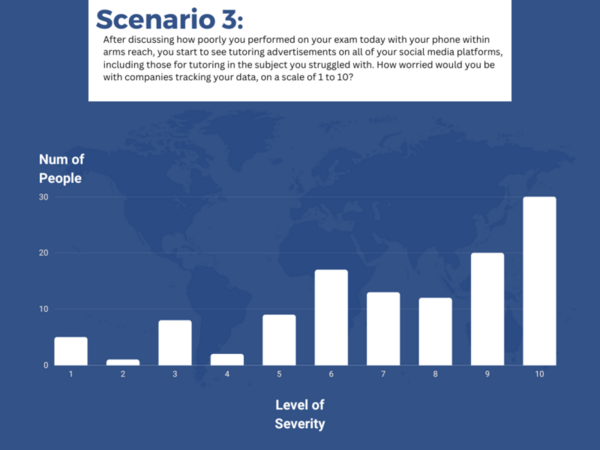
The authors looked at student perception on various situations involving third-party tracking to personalize recommendations.
Read More...Gender differences in social media, sleep, and cognition in U.S. teens
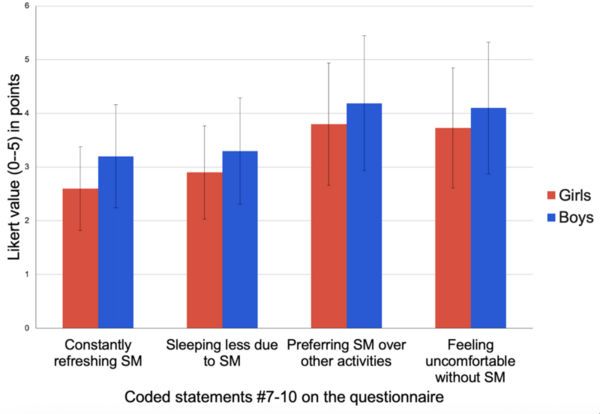
The authors survey teenagers within the United States regarding the effect of social media use on sleep quality and attention span.
Read More...The influence of purpose-of-use on information overload in online social networking
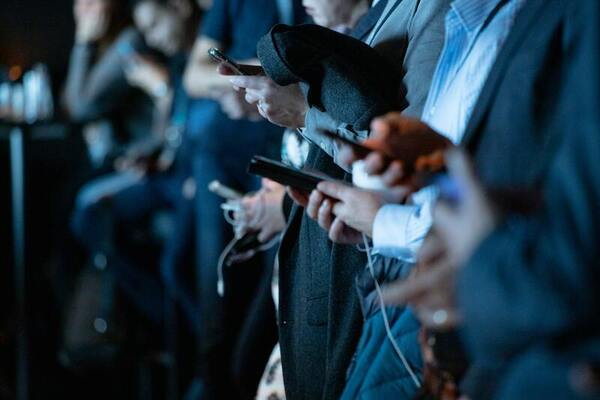
Here, seeking to understand the effects of social media in relation to social media fatigue and/or overload in recent years, the authors used various linear models to assess the results of a survey of 27 respondents. Their results showed that increased duration of use of social media did not necessarily lead to fatigue, suggesting that quality may be more important than quantity. They also considered the purpose of an individual's social media usage as well as their engagement behavior during the COVID-19 pandemic.
Read More...Antibacterial Activity and Absorption of Paper Towels Made From Fruit Peel Extracts
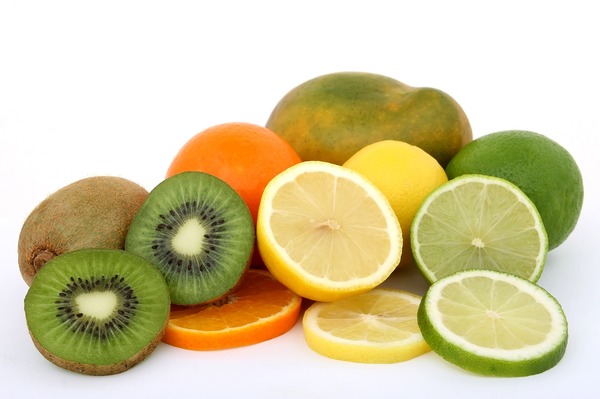
Unsatisfactory hand hygiene leads to the spread of bacterial infections from person to person. To address this problem, the authors developed and tested the PeelTowel, an antibacterial and water-absorbing towel made of a combination of fruit peels and recycled paper waste.
Read More...PCR technology for screening genetically modified soybeans

In order to determine whether unmarked soybeans in the market were genetically modified crops, the authors developed a polymerase chain reaction (PCR) screen for DNA lectin.
Read More...Machine learning-based enzyme engineering of PETase for improved efficiency in plastic degradation
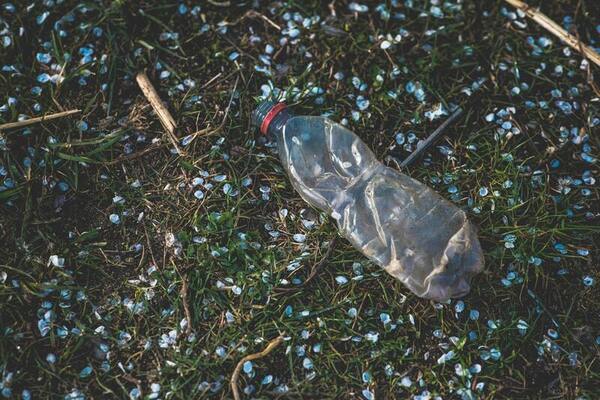
Here, recognizing the recognizing the growing threat of non-biodegradable plastic waste, the authors investigated the ability to use a modified enzyme identified in bacteria to decompose polyethylene terephthalate (PET). They used simulations to screen and identify an optimized enzyme based on machine learning models. Ultimately, they identified a potential mutant PETases capable of decomposing PET with improved thermal stability.
Read More...