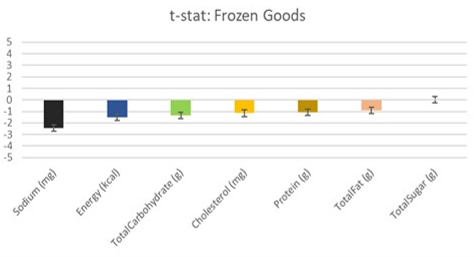
The authors compare nutritional content of foods found in Western versus Asian grocery stores to determine whether one cultural diet is healthier than the other.
Read More...Are Asian foods healthier than Western foods: Evidence collected from St. Louis area grocery stores
The authors compare nutritional content of foods found in Western versus Asian grocery stores to determine whether one cultural diet is healthier than the other.
Read More...Enhanced flavonoids and antibacterial function in Houttuynia cordata with different organic fertilizers
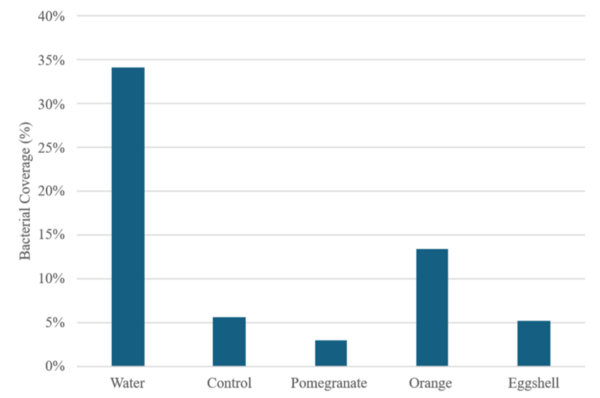
This study investigated the effects of three household waste-derived organic fertilizers (pomegranate peel, eggshell, and orange peel) on the nutritional composition and antibacterial activity of Houttuynia cordata, a plant widely used in traditional Chinese cuisine and medicine. Results showed that orange peel fertilizer increased flavonoid concentrations most, while pomegranate peel fertilizer produced the greatest enhancement of antibacterial activity against E. coli. Lysine content was not significantly affected by any treatment. These findings suggest that household waste-derived fertilizers may offer a sustainable, cost-effective approach to improving the nutritional and bioactive properties of H. cordata.
Read More...Improving measurement of reducing sugar content in carbonated beverages using Fehling’s reagent

The sugar-rich modern diet underlies a suite of metabolic disorders, most common of which is diabetes. Accurately reporting the sugar content of pre-packaged food and drink items can help consumers track their sugar intake better, facilitating more cognisant and, eventually, moderate consumption of high-sugar items. In this article, the authors examine the effect of several variables on the accuracy of Fehling's reaction, a colorimetric reaction used to estimate sugar content.
Read More...Biofortification of Raphanus sativus through irrigation with Ca2+ solutions does not increase calcium content
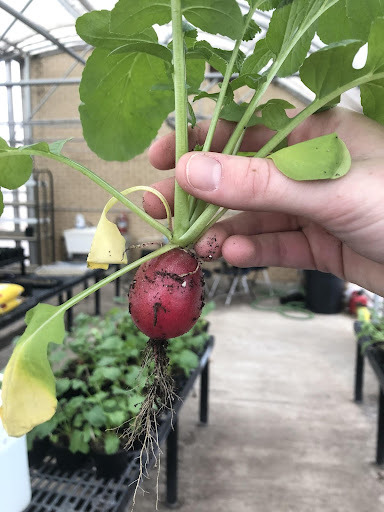
This study is centered around developing biofortification methods: the authors test whether the amount of calcium available to growing crops translates into more calcium present in the crops.
Read More...Changing public opinions on genetically modified organisms through access to educational resources
Genetically modified organisms (GMOs) are crops or animals that have been genetically engineered to express a certain physical or biological characteristic and have various benefits that have made them become increasingly popular. However, the public has had mixed reactions to the use of GMOs, with some skeptical of their safety. The purpose of this study was to evaluate how opinions on genetically modified foods can change from exposure to small amounts of information
Read More...Pressing filtration for extraction of cabbage dietary fiber and soluble components

Here the authors introduce pressing filtration as a novel, efficient, and low-energy method for extracting dietary fiber from cabbage, which successfully retains heat-sensitive nutrients and achieves a high fiber yield. The study demonstrates the scalability and economic viability of this technique for commercial use, highlighting that the resulting high-fiber cabbage powder can be incorporated into familiar foods like hamburger buns and beef patties without compromising taste or sensory quality.
Read More...Protein concentrations in cows’ milk during the four stages of lactation

In this article, the authors quantify fluctuations of primary proteins found within bovine milk across four stages of lactation. Critically, these findings bear great relevance to the nutritional support of calves as well as the varying severity of symptoms of lactose intolerance.
Read More...The non-nutritive sweeteners acesulfame potassium and neotame slow the regeneration rate of planaria
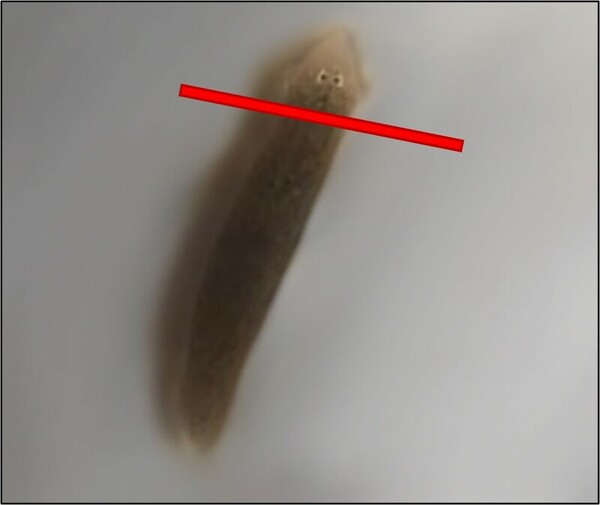
The consumption of sugar substitute non-nutritive sweeteners (NNS) has dramatically increased in recent years. Despite being advertised as a healthy alternative, NNS have been linked to adverse effects on the body, such as neurodegenerative diseases (NDs). In NDs, neural stem cell function is impaired, which inhibits neuron regeneration. The purpose of this study was to determine if the NNS acesulfame potassium (Ace-K) and neotame affect planaria neuron regeneration rates. Since human neurons may regenerate, planaria, organisms with extensive regenerative capabilities due to stem cells called neoblasts, were used as the model organism. The heads of planaria exposed to either a control or non-toxic concentrations of NNS were amputated. The posterior regions of the planaria were observed every 24 hours to see the following regeneration stages: (1) wound healing, (2) blastema development, (3) growth, and (4) differentiation. The authors hypothesized that exposure to the NNS would slow planaria regeneration rates. The time it took for the planaria in the Ace-K group and the neotame group to reach the second, third, and fourth regeneration stage was significantly greater than that of the control. The results of this study indicated that exposure to the NNS significantly slowed regeneration rates in planaria. This suggests that the NNS may adversely impact neoblast proliferation rates in planaria, implying that it could impair neural stem cell proliferation in humans, which plays a role in NDs. This study may provide insight into the connection between NNS, human neuron regeneration, and NDs.
Read More...Analyzing honey’s ability to inhibit the growth of Rhizopus stolonifer
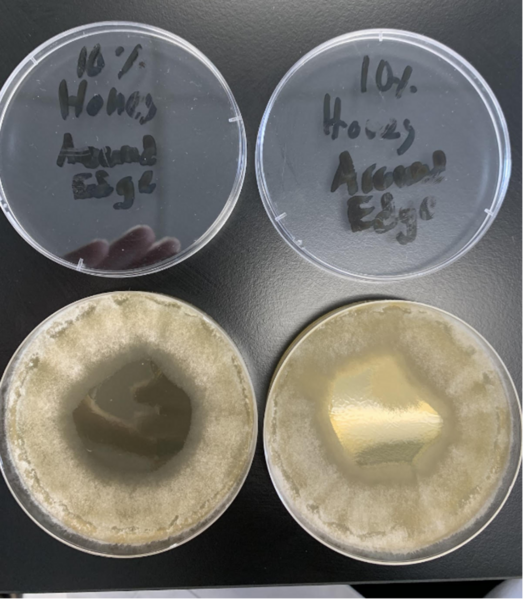
Rhizopus stolonifer is a mold commonly found growing on bread that can cause many negative health effects when consumed. Preservatives are the well-known answer to this problem; however, many preservatives are not naturally found in food, and some have negative health effects of their own. We focused on honey as a possible solution because of its natural origin and self-preservation ability. We hypothesized that honey would decrease the growth rate of R. stolonifer . We evaluated the honey with a zone of inhibition (ZOI) test on agar plates. Sabouraud dextrose agar was mixed with differing volumes of honey to generate concentrations between 10.0% and 30.0%. These plates were then inoculated with a solution of spores collected from the mold. The ZOI was measured to determine antifungal effectiveness. A statistically significant difference was found between the means of all concentrations except for 20.0% and 22.5%. Our findings support the hypothesis as we showed a positive correlation between the honey concentration and growth rate of mold. By using this data, progress could be made on an all-natural, honey-based preservative.
Read More...Effects of common supplements on human platelet aggregation in vitro
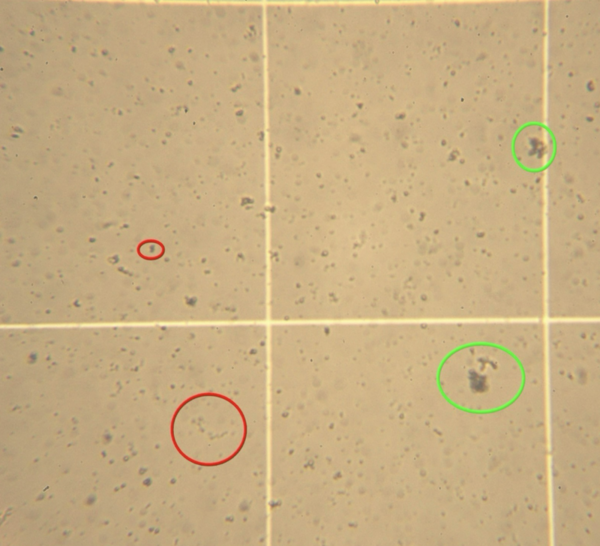
There is a need for safe and effective therapies to prevent platelet aggregation associated with cardiovascular diseases. Prabhakar and Prabhakar test to see whether dietary supplements claiming to reduce cardiovascular disease risk will affect aggregation of human platelets.
Read More...