Browse Articles

Synthesis of a novel CCR1 antagonist for treatment of glioblastoma

Jan et al. | May 05, 2021

Synthesis of a novel CCR1 antagonist for treatment of glioblastoma

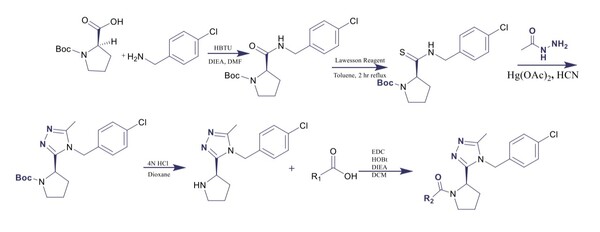
Glioblastoma is a brain cancer caused by the presence of a fast-growing, malignant tumor in the brain. As of now, this cancer is universally lethal due to lack of efficacious treatment options. C-C chemokine receptor 1 (CCR1) is a G-protein coupled receptor that controls chemotaxis, the movement of cells in response to chemical stimuli. This research aims to synthesize potential CCR1 antagonists by coupling carboxylic acids with a triazole core. We synthesized these compounds using a simple carboxylic acid coupling and confirmed the identity of the final compounds using nuclear magnetic resonance (NMR) spectroscopy.

Read More...

Using the COmplex PAthway SImulator, Stage Analysis, and Chemical Kinetics to Develop a Novel Solution to Lower Tau Concentrations in Alzheimer’s Disease

Carroll et al. | Sep 28, 2020

Using the COmplex PAthway SImulator, Stage Analysis, and Chemical Kinetics to Develop a Novel Solution to Lower Tau Concentrations in Alzheimer’s Disease

In this study, the authors ask whether a Tau immunotherapy treatment, Hsp70 protein treatment, or dual treatment approach of both the Tau imunotherapy treatment and Hsp70 protein treatment leads to a greater reduction in Tau protein concentration in Alzheimer's disease. Overall, they conclude that the effectiveness of the treatment ultimately relies on the stage of Alzheimer’s.

Read More...

Exploring Unconventional Growing Methods to Promote Healthy Growth in Common Household Plants: Tagetes patula L. and Lepidium sativum

Nguyen et al. | Feb 25, 2021

Exploring Unconventional Growing Methods to Promote Healthy Growth in Common Household Plants: <i>Tagetes patula</i> L. and <i>Lepidium sativum</i>

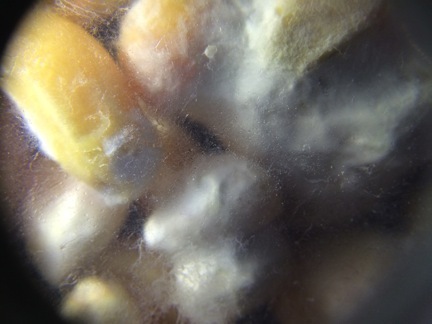
This study focused on finding more sustainable growing methods that reduce chemical fertilizer or water usage and can be used at the household level for garden plants. Metrics for healthy plant growth were height at first bloom, growing time, and survival rate. The Deep Water Culture (DWC) treatment for garden cress plants significantly increased the height at first bloom compared to the control group. For rates of surviving plants, the treatments had little effect on garden cress, but the Eggshell Grounds, Wick System, and DWC system groups outperformed the control group for marigolds.

Read More...

The Long-Term Effect of CBD Crystals and CBD Oil on Depressive-Associated Rat Behaviors

Yang et al. | Dec 18, 2020

The Long-Term Effect of CBD Crystals and CBD Oil on Depressive-Associated Rat Behaviors

Cannabidiol (CBD) is a chemical extracted from cannabis and shown by some studies to alleviate the symptoms of many mental disorders, especially major depressive disorder. The authors hypothesized that chronic treatments with purified CBD through oral administration would relieve depression-associated behaviors in normal healthy rats under adverse conditions. A statistical analysis of the experimental data suggested that long-term consumption of CBD could elicit depression associated symptoms in normal rats without depression. The results imply that people should consume CBD-containing products with extreme caution and highlight the need to carefully monitor the use of CBD in health care products.

Read More...

Reactivity-informed design, synthesis, and Michael addition kinetics of C-ring andrographolide analogs

Zhou et al. | Nov 17, 2022

Reactivity-informed design, synthesis, and Michael addition kinetics of C-ring andrographolide analogs

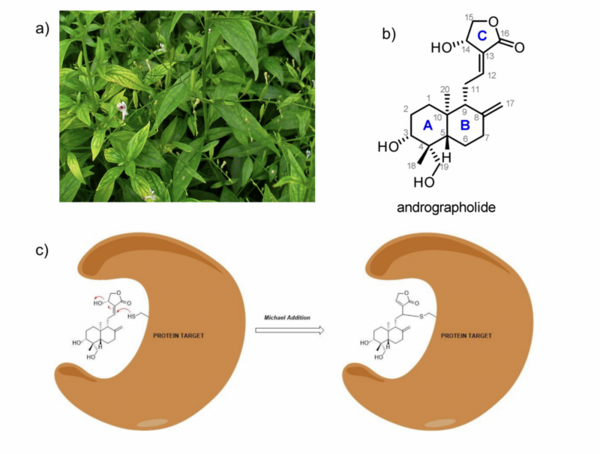
Here, based on the identification of androgapholide as a potential therapeutic treatment against cancer, Alzheimer's disease, diabetes, and multiple sclerosis, due to its ability to inhibit a signaling pathway in immune system function, the authors sought ways to optimize the natural product human systems by manipulating its chemical structure. Through the semisynthesis of a natural product along with computational studies, the authors developed an understanding of the kinetic mechanisms of andrographolide and semisynthetic analogs in the context of Michael additions.

Read More...