Protein kinases in phagocytosis (phagocytotic kinome): A promising biomarker set in cancer therapeutics
(1) The Future Kids Global School, (2) Cancer Research Institute, Jinan University
https://doi.org/10.59720/24-352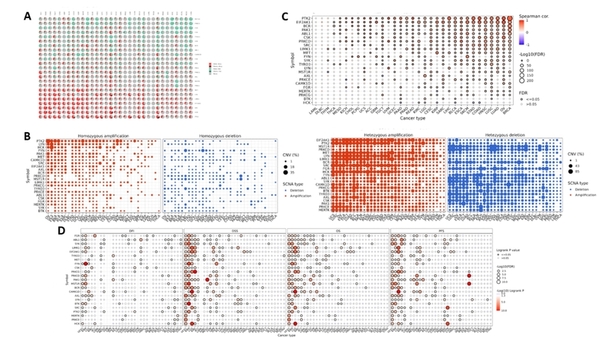
Cancer is a complex disease characterized by genetic diversity, often involving dysregulation of critical cellular pathways. Protein kinases, particularly those involved in phagocytosis, play pivotal roles in cellular homeostasis and immune response. This study systematically examines the genetic alterations and expression profiles of protein kinases associated with phagocytosis (phagocytotic kinome) across cancer types, using data from the Cancer Genome Atlas (TCGA) and other publicly available verified resources. We hypothesized that the protein kinase genes show alterations and expressions in various cancer tissues, unlike in normal tissues, and that this is significant. Our results indicate that MET and MERTK were the most mutated protein kinase genes, with missense mutations predominating across cancers. Copy Number Variations (CNVs) are structural alterations in the genome where sections of DNA are duplicated or deleted. Analysis of CNV profiles of the protein kinase genes associated with phagocytosis revealed that heterozygous amplifications and deletions were predominant types with significant positive correlation to survival in some uterine and kidney cancers, while methylation analysis shows cancer-specific regulatory patterns influencing gene expression. Differential expression analysis uncovered distinct cancer-type-specific expression profiles, with genes like MET and BTK exhibiting significant variation. Crosstalk pathway analysis further demonstrated the involvement of these kinases in key cancer-related processes, importantly, epithelial-mesenchymal transition (EMT) and apoptosis. Drug sensitivity analysis identified potential therapeutic targets, with gene expression significantly correlating with cancer cell line responsiveness to specific compounds. These discoveries underscore the importance of the phagocytotic kinome in cancer biology and suggest potential therapeutic approaches to enhance immune responses and improve treatment outcomes in the future.
This article has been tagged with: