Multi-omic analysis identifies mitochondrial dysfunction as a key feature of hypertrophic cardiomyopathy
(1) Inglemoor High School, (2) Finn Hill Animal Hospital
https://doi.org/10.59720/24-349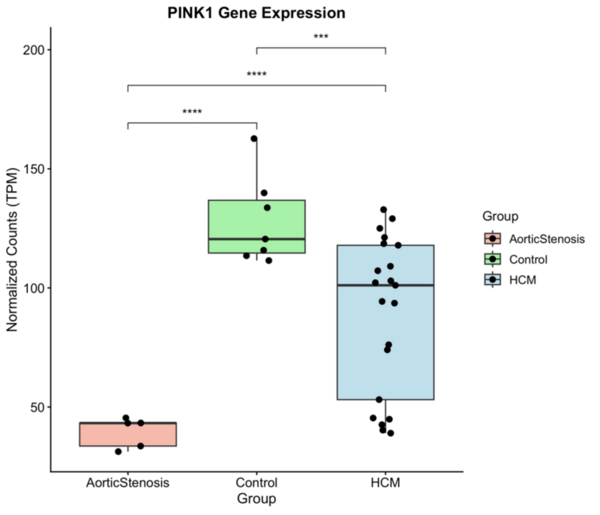
Hypertrophic cardiomyopathy (HCM) is an inherited cardiovascular disorder marked by left ventricular hypertrophy, known to be caused by genetic mutations in sarcomere proteins, such as MYH7 and MYBPC3. Despite advancements in our understanding of HCM genetics, the relationship between genetic variants and clinical outcomes in HCM remains complex, particularly due to phenotypic variability and overlapping features with other cardiomyopathies. We hypothesized that HCM would exhibit disease-specific gene expression and methylation patterns, primarily in non-sarcomeric pathways, in comparison to healthy controls and aortic stenosis (AS) patients. We performed a multi-omic analysis to investigate the gene expression and DNA methylation patterns of HCM individuals utilizing publicly available RNA sequencing and bisulfite sequencing datasets. We identified a gene set consistently downregulated in HCM relative to healthy controls, while upregulated relative to patients with AS. These results were corroborated by parallel methylome data, which allowed us to identify specific genes that were both differentially expressed and methylated. When analyzed for functional signatures, we found consistent, significant downregulation of genes involved in mitochondrial processes, NADH dehydrogenase complex assembly, and electron transport chain function in individuals with HCM. Conversely, sarcomeric genes were not differentially expressed or methylated to the same extent as mitochondrial and energy-related genes. Our results highlight the potentially critical role of mitochondrial dysfunction in HCM pathogenesis, linking energy deficits to cardiac dysfunction and increased oxidative stress. Addressing this dysfunction through therapeutic interventions that target mitochondrial pathways, such as gene therapy combined with individualized nutritional therapies, could mitigate disease progression and improve clinical outcomes.
This article has been tagged with: