The authors investigate how well AI-detection machine learning models can detect real versus AI-generated art across different art styles.
Read More...Evaluating the effectiveness of machine learning models for detecting AI-generated art
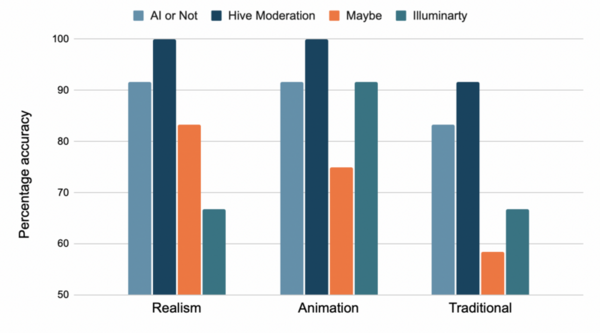
The authors investigate how well AI-detection machine learning models can detect real versus AI-generated art across different art styles.
Read More...Analysis of the Exoplanet HD 189733b to Confirm its Existence
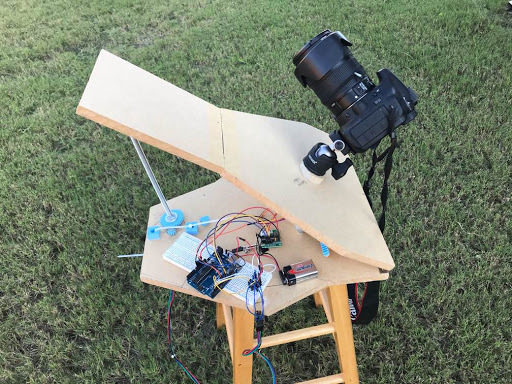
In this study, the authors study features of exoplanet 189733 b. This exoplanet, or planets that orbit stars other than the Sun, is found in the HD star system. Using a DSLR camera, they constructed a high caliber exoplanet transit detection tracker to study the orbital periods, radial velocity, and photometry of 189733 b. They then compared results from their system to data collected by other high precision studies. What they found was that their system produced results supporting previously published studies. These results are exciting results from the solar system demonstrating the importance of validating radial velocity and photometry data using high-precision studies.
Read More...Fluorescein or Green Fluorescent Protein: Is It Possible to Create a Sensor for Dehydration?
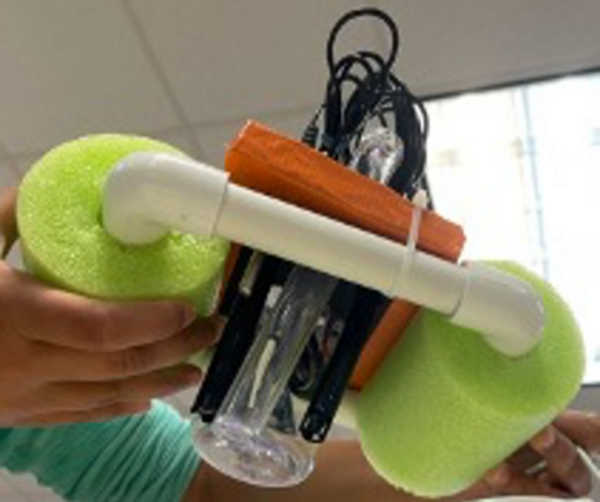
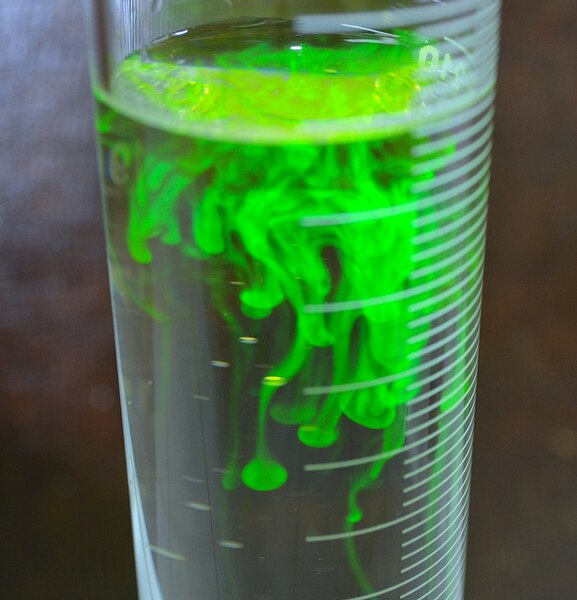
Currently there is no early dehydration detection system using temperature and pH as indicators. A sensor could alert the wearer and others of low hydration levels, which would normally be difficult to catch prior to more serious complications resulting from dehydration. In this study, a protein fluorophore, green fluorescent protein (GFP), and a chemical fluorophore, fluorescein, were tested for a change in fluorescence in response to increased temperature or decreased pH. Reversing the pH change did not restore GFP fluorescence, but that of fluorescein was re-established. This finding suggests that fluorescein could be used as a reusable sensor for a dehydration-related pH change.
Read More...Applying machine learning to breast cancer diagnosis: A high school student’s exploration using R
The authors combine fine needle aspiration biopsy and machine learning algorithms to develop a breast cancer detection method suitable for resource-constrained regions that lack access to mammograms.
Read More...Uncovering the hidden trafficking trade with geographic data and natural language processing
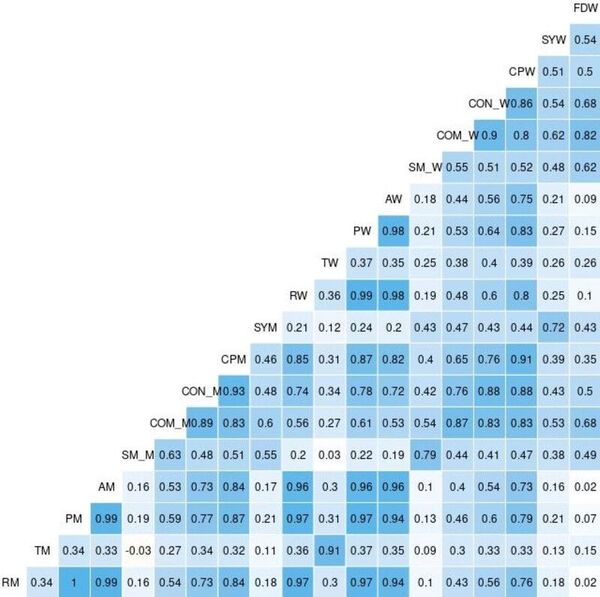
The authors use machine learning to develop an evidence-based detection tool for identifying human trafficking.
Read More...A novel deep learning model for visibility correction of environmental factors in autonomous vehicles
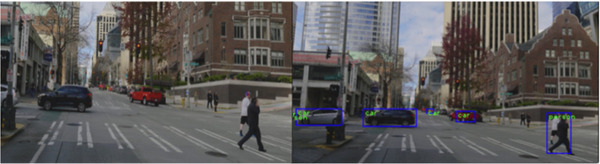
Intelligent vehicles utilize a combination of video-enabled object detection and radar data to traverse safely through surrounding environments. However, since the most momentary missteps in these systems can cause devastating collisions, the margin of error in the software for these systems is small. In this paper, we hypothesized that a novel object detection system that improves detection accuracy and speed of detection during adverse weather conditions would outperform industry alternatives in an average comparison.
Read More...Predictions of neural control deficits in elders with subjective memory complaints and Alzheimer’s disease
The authors compare neuroimaging datasets to identify potential new biomarkers for earlier detection of Alzheimer's disease.
Read More...A comparative analysis of machine learning approaches to predict brain tumors using MRI
The authors use machine learning on MRI images of brain tissue to predict tumor onset as an avenue for early detection of brain cancer.
Read More...Predictive modeling of cardiovascular disease using exercise-based electrocardiography
The authors looked factors that could lead to earlier diagnosis of cardiovascular disease thereby improving patient outcomes. They found that advances in imaging and electrocardiography contribute to earlier detection of cardiovascular disease.
Read More...Lung cancer AI-based diagnosis through multi-modal integration of clinical and imaging data
Lung cancer is highly fatal, largely due to late diagnoses, but early detection can greatly improve survival. This study developed three models to enhance early diagnosis: an MLP for clinical data, a CNN for imaging data, and a hybrid model combining both.
Read More...