Browse Articles

Converting SiO2 wafers to hydrophobic using chlorotrimethylsilane

Lee et al. | Aug 20, 2024

Converting SiO<sub>2</sub> wafers to hydrophobic using chlorotrimethylsilane

Semiconductors are the center of the fourth industrial revolution as they are key components for all electronics. Exposed wafers made of silicon (Si), which can easily oxidize, convert to silicon dioxide (SiO2). The surface of SiO2 wafers consists of many Si-OH bonds, allowing them to easily bond with water, resulting in a “wet” or hydrophilic condition. We sought to determine a way to modify the surface of SiO2 wafers to become hydrophobic to ensure safe wet cleaning.

Read More...

Alloferon improves the growth performance and developmental time of mealworms (Tenebrio molitor)

Shon et al. | Oct 20, 2023

Alloferon improves the growth performance and developmental time of mealworms <em>(Tenebrio molitor)</em>

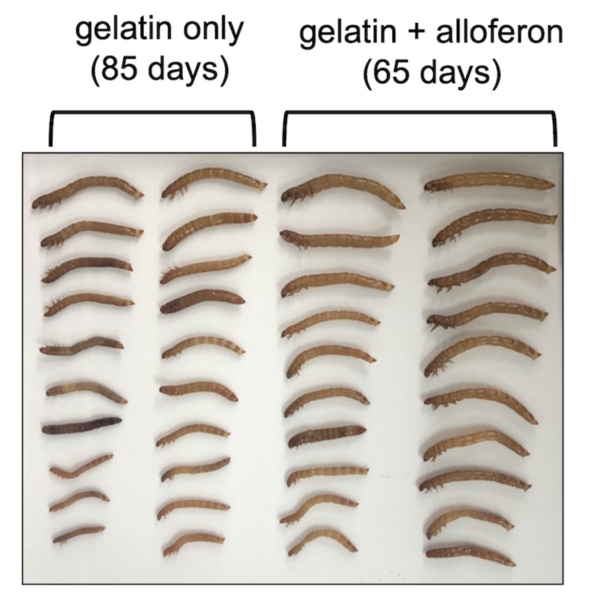
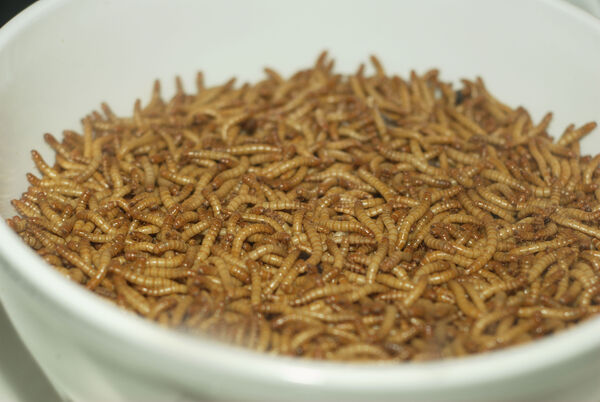
Mealworms (Tenebrio molitor) are important food sources for reptiles, birds, and other organisms, as well as for humans. However, the slow growth and low survival rate of mealworms cause problems for mass production. Since alloferon, a synthetic peptide, showed long-term immunological effects on mealworms, we hypothesized that alloferon would function as a growth promoter to maximize mealworm production. We discovered that the overall weight of the alloferon-containing gelatin diet group was 39.5-90% heavier, and the development time of the experimental group was shortened up to 20.6-39.6% than the control group.

Read More...

Blockchain databases: Encrypted for efficient and secure NoSQL key-store

Mehrota et al. | Mar 18, 2023

Blockchain databases: Encrypted for efficient and secure NoSQL key-store
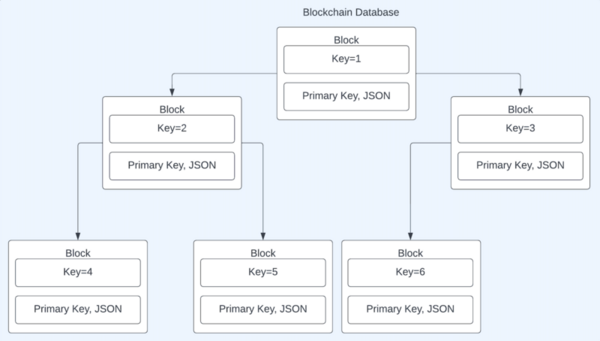
Image credit: Ayushi Mehrota & David Kim

Although commonly associated with cryptocurrency, blockchains offer security that other databases could benefit from. These student authors tested a blockchain database framework, and by tracking runtime of four independent variables, they prove this framework is feasible for application.

Read More...

Changing public opinions on genetically modified organisms through access to educational resources

Klein et al. | Jul 26, 2022

Changing public opinions on genetically modified organisms through access to educational resources

Genetically modified organisms (GMOs) are crops or animals that have been genetically engineered to express a certain physical or biological characteristic and have various benefits that have made them become increasingly popular. However, the public has had mixed reactions to the use of GMOs, with some skeptical of their safety. The purpose of this study was to evaluate how opinions on genetically modified foods can change from exposure to small amounts of information

Read More...

Spectroscopic Kinetic Monitoring and Molecular Dynamics Simulations of Biocatalytic Ester Hydrolysis in Non-Aqueous Solvent

Chen et al. | Dec 20, 2020

Spectroscopic Kinetic Monitoring and Molecular Dynamics Simulations of Biocatalytic Ester Hydrolysis in Non-Aqueous Solvent

Lipases are a common class of enzymes that catalyze the breakdown of lipids. Here the authors characterize the the activity of pancreatic lipase in different organic solvents using a choloremetric assay, as well as using molecular dynamic simulations. They report that the activity of pancreatic lipase in 5% methanol is more than 25% higher than in water, despite enzyme stability being comparable in both solvents. This suggests that, for industrial applications, using pancreatic lipase in 5% methanol solution might increase yield, compared to just water.

Read More...