Browse Articles

The Effect of Interactive Electronics Use on Psychological Well Being and Interpersonal Relationship Quality in Adults

Belkin et al. | Apr 19, 2018

The Effect of Interactive Electronics Use on Psychological Well Being and Interpersonal Relationship Quality in Adults

In recent years, usage of interactive electronic devices such as computers, smartphones, and tablets has increased dramatically. Many studies have examined the potential adverse effects of excessive usage of such devices on children and adolescents, but the effects on adults are not well understood. In this study, the authors examined the relationship between adult usage of interactive electronic devices and a variety of clinical measures of psychological well-being. They found that according to some metrics, higher usage of interactive electronic devices is associated with several adverse psychological outcomes, suggesting a need for more careful consideration of such usage patterns in clinical settings.

Read More...
The Impact of Age on Post-Concussive Symptoms: A Comparative Study of Symptoms Related and Not Related to the Default Mode Network

Wurscher et al. | Mar 05, 2017

The Impact of Age on Post-Concussive Symptoms: A Comparative Study of Symptoms Related and Not Related to the Default Mode Network

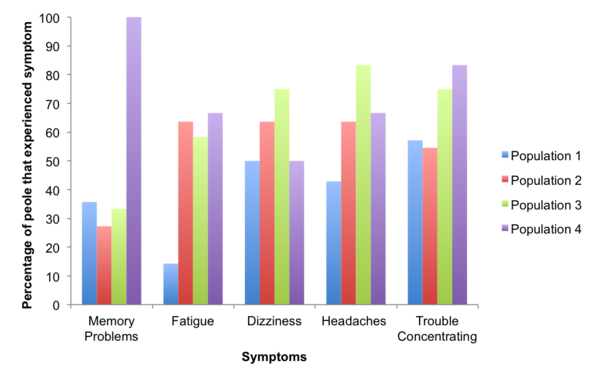
The Default Mode Network (DMN) is a network of connected brain regions that are active when the brain is not focused on external tasks. Minor brain injuries, such as concussions, can affect this network and manifest symptoms. In this study, the authors examined correlations between DMN age and post-concussion symptoms in previously concussed individuals and healthy controls.

Read More...

Breaking the Ice: A Scientific Take on the Ice Melting Abilities of Household Salts

Sehgal et al. | Dec 04, 2017

Breaking the Ice: A Scientific Take on the Ice Melting Abilities of Household Salts

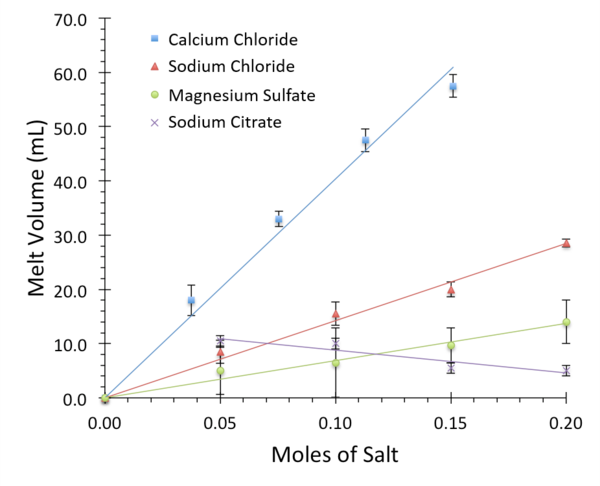
The use of salt to melt ice is a common and important practice to keep roadways safe during winter months. However, various subtypes of salt differ in their chemical and physical properties, as well as their environmental impact. In this study, the authors measure the effectiveness of different salts at disrupting ice structures and identify calcium chloride as the most effective.

Read More...