Researching gun violence and mass shootings in the U.S. is difficult due to the lack of consistent data collection. Some studies have linked mass shootings to personal financial stress, but little formal research exists on the impact of broader economic conditions. This study hypothesized an inverse relationship between mass shootings and economic performance, using the S&P 500 and unemployment rate as indicators.
Cutibacterium acnes is a bacterium believed to play an important role in the pathogenesis of common skin diseases such as acne vulgaris. Currently, acne is known to be associated with strains from the type IA1 and IC clades of C. acnes, while those from the type IA2, IB, II, and III phylogroups are associated with skin health. This is the first study to explore the sequence space of individual gene products of different C. acnes phylogroups. Our analysis compared the sequence space topology of virulence factors to proteins with unknown functions and housekeeping proteins. We hypothesized that sequence space features of virulence factors are different from housekeeping protein features, which potentially provides an avenue to deduce unknown proteins’ functions. This proposition should be confirmed based on further experimental outcomes. A notable similarity in the sequence spaces’ topological features of previously known as housekeeping proteins encoded by recA and guaA genes to ‘putative virulence’ genes camp2 and tly was observed. Our research suggests further investigation of recA and guaA’s potential virulence properties to better understand acne pathogenesis and develop more targeted acne treatments.
Depression affects millions globally, yet identifying symptoms remains challenging. This study explored detecting depression-related patterns in social media texts using natural language processing and machine learning algorithms, including decision trees and random forests. Our findings suggest that analyzing online text activity can serve as a viable method for screening mental disorders, potentially improving diagnosis accuracy by incorporating both physical and psychological indicators.
Kalirin is a guanine nucleotide exchange factor (GEF) for the GTPase RAC1, linked to schizophrenia and Alzheimer’s Disease. It plays a crucial role in synaptic plasticity by regulating dendritic spine formation and actin cytoskeleton remodeling, which are essential for creating new synapses. Authors developed two novel compounds targeting kalirin, confirming that predictive modeling can indicate biological activity.
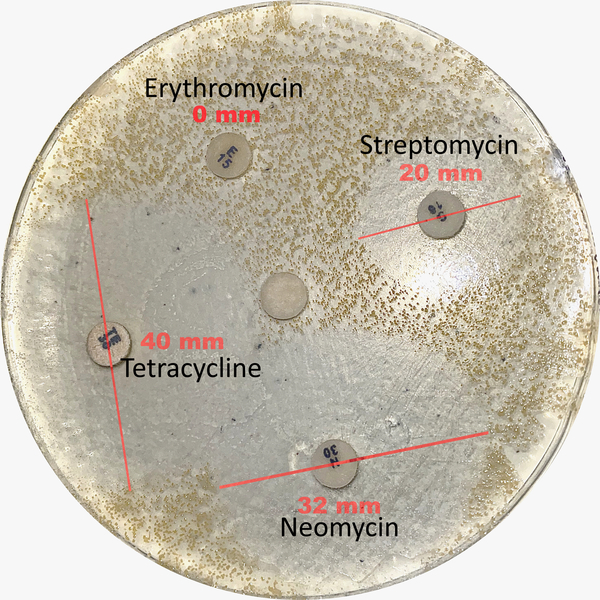
In this article the authors looked at arginine synthesis across different bacteria commonly found in different regional diets. They found that B. megaterium and C. sporogenes both caused a higher pH to occur on their agar plates compared to other bacteria tested indicating a greater amount of arginine synthesis.
Authors address the gender disparity in STEM fields, examining changes in gender diversity across male-dominated undergraduate programs over 19 years at 24 top universities. Analyzing data from NCES IPEDS, it identifies STEM as persistently male-dominated but notes increasing gender diversity in many disciplines, particularly in recent years. Results indicate that higher-ranked universities in disciplines like computer science and mechanical engineering show a weak correlation with improved gender diversity, suggesting effective initiatives can mitigate the gender gap in STEM, despite ongoing challenges.
Buildings, which are responsible for the majority of electricity consumption in cities like Dubai, are often exclusively reliant on electrical lighting even in the presence of daylight to meet the illumination requirements of the building. This inefficient use of lighting creates potential to further optimize the energy efficiency of buildings by complementing natural light with electrical lighting. Prior research has mostly used ballasts (variable resistors) to regulate the brightness of bulbs. There has been limited research pertaining to the use of pulse width modulation (PWM) and the use of ‘triodes for alternating current’ (TRIACs). PWM and TRIACs rapidly stop and restart the flow of current to the bulb thus saving energy whilst maintaining a constant illumination level of a space. We conducted experiments to investigate the feasibility of using TRIACs and PWM in regulating the brightness of bulbs. We also established the relationship between power and brightness within the experimental setups. Our results indicate that lighting systems can be regulated through these alternate methods and that there is potential to save up to 16% of energy used without affecting the overall lighting of a given space. Since most energy used in buildings is still produced through fossil fuels, energy savings from lighting systems could contribute towards a lower carbon footprint. Our study provides an innovative solution to conserve light energy in buildings during daytime.
With increased screen time and exposure to blue light, an increasing number of people have sleep deprivation. Blue light suppresses the release of melatonin and hinders sleep at night. We hypothesized that people could get a greater amount of sleep by controlling the blue light exposure from screen time before bedtime. BBG’s effect on reducing time to fall asleep was significant within the teenage group, but not significant in the adult group. This indicated that BBG could improve the time taken to sleep for young teenagers post screen time in the evening.
The energy of an atom is extremely useful in nuclear physics and reaction mechanism pathway determination but is challenging to compute. This work aimed to synthesize regression models for Pople Gaussian expansions of Slater-type Orbitals (STO-nG) atomic energy vs. atomic number scatter plots to allow for easy approximation of atomic energies without using computational chemistry methods. The data indicated that of the regressions, sinusoidal regressions most aptly modeled the scatter plots.
This study hypothesizes that nanoparticles derived from corn (cNPs)may have anti-proliferative effects on bone cancer and metastasized bone cancer. It finds that human osteosarcoma and human lung carcinoma metastasized to bone marrow cell viability decreased to 0% when treated with cNPs. Overall, these results indicate that cNPs have anti-proliferative effects on bone cancer cells and cancer cells that metastasize to the bone.